 10+ Years of Experience
 Same-Day Service Available
Expert Solutions for Appliance Vibration Problems | 2025
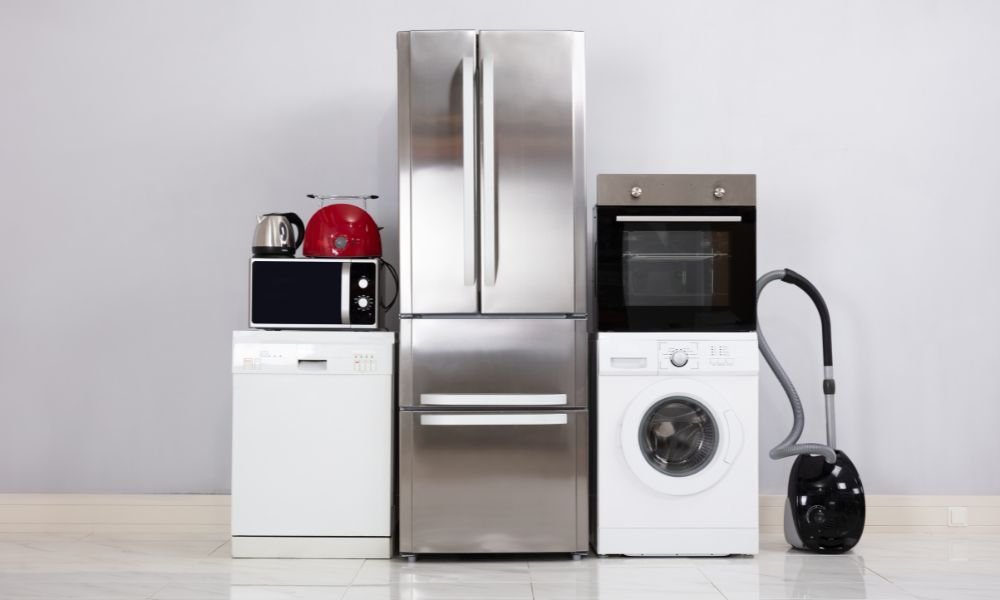
Understanding and Fixing the Appliance Vibration Problems in 2025 In many homes across Victoria BC, a common but often overlooked issue is appliance vibration. That thumping washer, buzzing fridge, or shaking dryer isn’t just irritating it could be a sign of deeper trouble. Whether you live in a modern apartment or an older home with sloped flooring, appliance vibration problems can lead to noise, damage, and higher energy use. In this expert guide by Quick Fix Appliance Experts, we’ll break down the most common reasons your appliances vibrate, what you can do about it, and how to prevent it in the future all in a practical, human tone you’ll actually enjoy reading. What Causes Your Appliances to Vibrate? Appliances are designed to run smoothly, but certain conditions can throw them off balance literally. 1. Unbalanced Loads in Washers or Dryers When heavy items are clumped to one side, especially during spin cycles, your washer or dryer starts shaking. Smart Tip: Load your laundry evenly. Mix towels with lighter clothes to keep the drum balanced. 2. Uneven or Sloping Floors Older Victoria homes often have floors that have settled or sloped over time, causing appliances to stand unevenly. Fix: Use a bubble level to check appliance balance. Adjustable legs or rubber feet can make a world of difference. 3. Worn Shock Absorbers (Washers) Shock absorbers inside front-loading washing machines reduce movement. If they wear out, vibrations increase. What to Do: Replace with high-quality OEM parts. It’s a repair that pays off immediately. 4. Loose or Damaged Internal Parts Motors, fans, or pulleys that come loose can create abnormal movement in almost any home appliance. Solution: Call a pro to inspect and tighten or replace faulty components. It’s better than letting parts shake themselves into full failure. 5. Compressor or Motor Vibrations (Fridges & HVAC) When your fridge buzzes or your HVAC unit shakes, it’s often due to misalignment or a compressor wearing out. Pro Fix: Ensure secure mounting and have the motor professionally serviced. Breakdown by Appliance Type Dishwashers Vibration Symptoms: Rattling sounds during cycles Fixes: Tighten mounting brackets and ensure it’s leveled on all sides Dryers Vibration Symptoms: Clunky sounds, moving unit Fixes: Inspect drum rollers, belts, or worn out bearings Refrigerators Vibration Symptoms: Humming or vibrating noises Fixes: Level the unit, inspect compressor mount, clean underneath Washing Machines Vibration Symptoms: Loud during spin, shaking violently Fixes: Check load balance, level the machine, install anti vibration pads Why Appliance Vibration Problems Shouldn’t Be Ignored May damage floors and countertops Can loosen internal parts over time Increases wear and tear (shortening appliance lifespan) Often signals bigger problems waiting to happen Tip: Early fixes are cheaper and safer than waiting until a complete breakdown. Smart Tools to Solve Vibration Problems In 2025, fixing vibration is smarter than ever: Anti Vibration Pads: Easy to install and extremely effective Digital Level Apps: Turn your phone into a leveling tool Smart Alerts: Some modern appliances notify you when excess movement is detected. Victoria BC Homeowners: Special Considerations Appliance vibration issues are more common in older homes and Victoria has plenty of beautiful but aged structures. Sloping floors, high humidity, and compact laundry rooms often make the problem worse. Solution: Regular inspections and properly adjusted supports are key. For reliable local service, trust Quick Fix Appliance Experts we understand local housing quirks. Appliance Upgrades That Help If your appliance is over 10 years old and keeps shaking despite repairs, it might be time to upgrade. Modern machines: Have better shock absorption Use smart load balancing Detect and self correct vibrations The Hidden Impact of Appliance Vibration Problems on Your Home While a shaking appliance might seem like a minor annoyance, appliance vibration problems can silently cause damage over time. Continuous vibration may loosen internal components, wear down screws and brackets, or even lead to leaks in appliances like washers and dishwashers. Over weeks or months, you might begin to notice your appliance working less efficiently, making more noise, or even damaging the surface it’s sitting on. For example, a vibrating washing machine can slowly scrape hardwood or laminate flooring, while a misaligned fridge may transfer vibrations through cabinets or countertops. For expert-backed solutions on handling appliance vibration problems, check out this helpful guide by TCL on fixing a shaking or vibrating washing machine here. Homeowners in Victoria BC, especially those in older homes with wooden floors, need to be extra mindful of these small movements that can have costly consequences if ignored. Taking early action saves not only your appliance but your entire setup. Final Thoughts: Appliance Vibration Problems If you’re tired of dealing with noisy, shaking appliances, you’re not alone and you’re not stuck. Most appliance vibration problems are caused by simple issues like unbalanced loads or poor installation. Fixing them can save you time, money, and peace of mind.Read our voltage protection tips to avoid electric related appliance performance issues. Whether you handle it yourself or call in the pros, getting to the root of the Appliance Vibration Problems keeps your home running smoothly. For expert appliance repair in Victoria BC, reach out to Quick Fix Appliance Experts. FAQs About Appliance Vibration Problems Q1. Why does my washer shake during the spin cycle? It’s usually due to unbalanced loads or worn shock absorbers. Always distribute laundry evenly. Q2. Are vibration pads worth it? Yes! They reduce movement, noise, and extend the life of your machine. Q3. Can a vibrating appliance be dangerous? Excessive vibration can cause internal damage, floor scuffs, and even pose fire risks if wires loosen. Q4. How do I know if my appliance is level? Use a spirit level or smartphone app. Uneven feet are a leading cause of vibrations. Q5. Should I repair or replace my vibrating appliance? If the appliance is fairly new or the vibration is due to a simple fix like unbalanced loads or worn feet, repair is usually the more cost-effective choice. If it’s over 10 years old and the shaking continues even after service,
Avoid Costly Repairs: Appliance Failure Reasons Explained
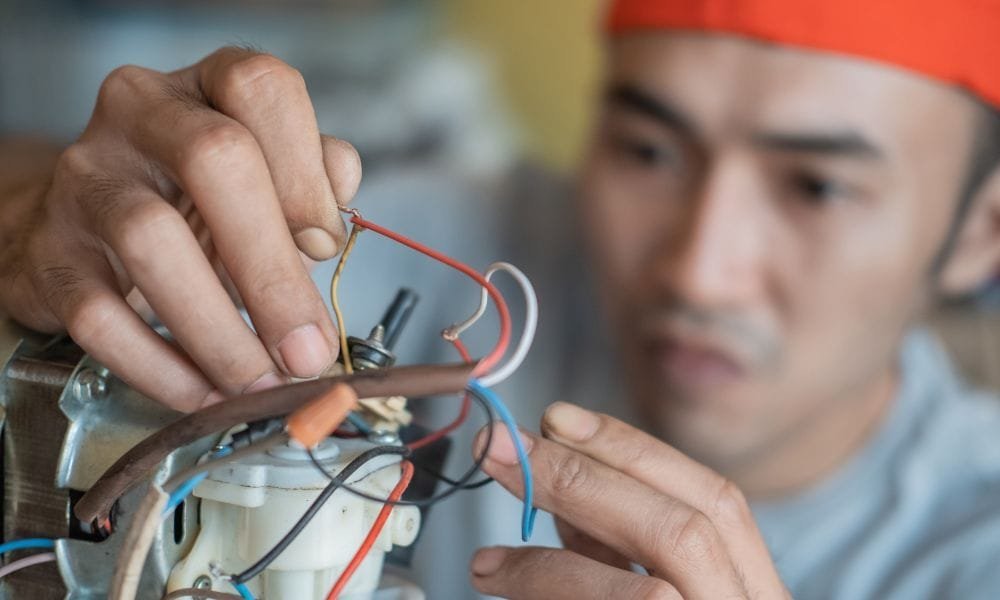
Appliance Failure Reasons Every Homeowner Should Know Your trusty dishwasher, refrigerator, or oven isn’t supposed to break down randomly theres always a reason. In Victoria BC, where changing seasons and power fluctuations are common, understanding appliance failure reasons can help you avoid unexpected repairs. Whether it’s worn out parts, wiring issues, or simple user habits, knowing the why behind breakdowns empowers you to act smartly and early. This human focused, science backed guide from Quick Fix Appliance Experts explores every root cause behind appliance failures so you can protect your investments, extend lifespan, and save money. 1. Natural Wear and Tear: The Silent Killer Every appliance comes with a lifespan. Mechanical wear is inevitable but avoidable if monitored early. Over time: Bearings in dryers wear out. Fridge compressors weaken. Washing machine belts loosen. One of the most common appliance failure reasons is simply age. Most major appliances last 8 15 years, but consistent use without maintenance can shorten that drastically. 2. Power Surges and Voltage Fluctuations Victoria BC homes, especially in older neighborhoods, experience voltage irregularities that can fry sensitive components. Sudden power surges damage: Circuit boards in microwaves Digital displays in ovens Control panels in dishwashers Installing a surge protector or voltage stabilizer can minimize these risks. Learn more about how voltage impacts appliances in this expert resource. 3. Improper Installation: A Setup Gone Wrong Incorrect leveling of washing machines can result in violent spinning and early drum failure. Poorly vented dryers may overheat. Faulty gas connections in stoves? A fire hazard. Quick Fix Appliance Experts in Victoria BC always recommend professional installation because most appliance failure reasons begin at day one if not set up properly. 4. Overuse & Misuse: User Habits Matter You might be unknowingly damaging your appliances: Overloading your washer Slamming fridge doors Running empty dishwashers Overuse without following manufacturer limits is a key contributor to early failure. Always read the user manual not just plug and play. 5. Neglected Maintenance: Out of Sight, Out of Mind Clogged filters, dusty coils, uncleaned seals minor issues lead to major breakdowns. Dirty dryer lint traps cause overheating. Mold in washing machine gaskets causes leaks. Fridge coils covered in dust make compressors overwork. Regular maintenance is non negotiable. Check out our washing machine repair tips for practical maintenance ideas. 6. Faulty Wiring & Circuit Failures Internal wiring deteriorates over time or due to environmental conditions like humidity. Loose connections, frayed wires, and short circuits are serious fire hazards. This is one of the lesser known but dangerous appliance failure reasons that demands professional inspection. 7. Manufacturer Defects & Recalls Even the best brands have off days. Sometimes, the issue lies in: Faulty control boards Inferior materials Product recalls Always register new appliances for warranty and recall notices. Keep receipts and report performance issues within the return window. 8. Environmental Factors in Victoria BC Humidity, salty air (especially in coastal zones), and seasonal changes all impact appliances: Fridges struggle in hot kitchens. Freezers in garages suffer in winter. Excess humidity causes rust and mold. Weather and placement are often overlooked appliance failure reasons, but crucial ones. 9. Pest Intrusion Rodents and bugs are attracted to warmth and wiring. Chewed wires or nests in oven insulation cause fires or short circuits. Always inspect behind large appliances during spring and fall cleaning. 10. Overlooking Software or Firmware Updates Modern appliances are smart and software driven. Delayed updates can crash smart functions or lock machines entirely. Set up appliance apps (like LG ThinQ or Samsung SmartThings) to ensure updates are automatic. The Hidden Science of Heat and Moisture in Appliance Failures Many homeowners don’t realize that daily environmental changes like excessive kitchen heat or trapped bathroom humidity can be silent culprits behind recurring malfunctions. These conditions accelerate internal corrosion, damage wiring, and trigger sensor failures over time. Among the lesser known appliance failure reasons, temperature imbalance and poor ventilation stand out as invisible threats that quietly sabotage performance. Keeping appliances in climate stable, well ventilated areas is not just good practice it’s smart prevention. User Habits That Lead to Unexpected Appliance Failures Sometimes, the root cause of appliance breakdowns isn’t the appliance itself it’s how we use it. Overloading washing machines, ignoring filter cleanings, or using the wrong power outlets can gradually wear out components and reduce efficiency. These everyday habits may seem harmless but are among the most common appliance failure reasons reported by technicians. With just a bit of attention to manufacturer guidelines and timely upkeep, you can avoid costly repairs and extend your appliance’s life significantly. Final Thoughts Understanding appliance failure reasons is your first step toward smarter ownership. Whether it’s neglect, misuse, or something out of your control being aware helps you react quickly and avoid costly damage. In Victoria BC, Quick Fix Appliance Experts is here to help you fix problems before they grow. Staying informed about appliance failure reasons will make your home more efficient, safer, and stress-free. FAQs About Appliance Failure Reasons Q1. What’s the most common appliance failure reason in Victoria BC? A: Voltage fluctuations and humidity related issues are top causes in this region. Q2. Can regular maintenance prevent most appliance failures? A: Yes! Cleaning, inspecting, and professional checkups drastically reduce breakdown chances. Q3. How do I know if my appliance has a recall? A: Register it online with the manufacturer and monitor Consumer Reports or official recall sites. Q4. What’s the average cost of repairing a failed appliance? Early diagnosis often saves money. Q5. Should I repair or replace an old appliance? A: If it’s past 70% of its lifespan and repairs exceed half the price of a new one, consider replacing it.
Voltage Effect on Appliances: Ultimate Protection Tips 2025

Understanding the Voltage Effect on Appliances: Expert Tips for 2025 In today’s smart home and high efficiency electronics age, your appliances have never been more networked and exposed. One of the unseen threats that can silently destroy your devices is voltage fluctuation. Whether it’s a brief power surge, dip, or persistent instability, the voltage effect on appliances can be both harmful and expensive. In this guide, we’ll explore exactly how voltage affects your appliances, signs of electrical trouble, ways to prevent damage, and the best protection strategies in 2025. Whether you’re a homeowner or a renter, protecting your investments starts with knowledge. What is Voltage, and Why Does It Matter? Voltage is the pressure that drives electrical current around circuits. It’s expressed in volts (V). Typical voltage at home is typically 110–120V (North America) or 220–240V (Europe, Asia). High or low voltage can make your appliances act strangely or even malfunction. At this point, the voltage effect on appliances comes into play. There are three kinds of voltage problems: Surge (High Voltage Spike): Occurs during storms or power grid mistakes. Sags or Dips (Low Voltage): Due to excessive load on the grid. Fluctuations: Periodic instability in voltage over time. The Impact of Voltage on Various Home Appliances Let’s discuss the voltage effect on appliances in different common household devices: 1. Refrigerators Refrigerators rely on stable voltage to control cooling. High voltage will destroy compressors, and low voltage might cause it to operate inefficiently or not cool at all. 2. Washing Machines Voltage drops can interfere with the motor cycles, leading to inefficient washing or even drum damage. Surges will fry the control board. 3. Ovens & Microwaves Cooking devices possess heating components that are sensitive to voltage surges. They will overheat or simply fail if the voltage is not stable. 4. Air Conditioners Air conditioners are very sensitive. Compressors get affected by low voltage and can cause frequent shutdowns, drastically reducing lifespan. 5. Smart Devices & TVs Smart devices incorporate circuit boards and chips that are extremely sensitive to voltage fluctuations. A single surge will damage their inner system. Signs That Voltage is Damaging Your Appliances Identifying signs early will help you avoid spending thousands on repairs or replacements. Watch out for: Recurrent appliance failures Flickering lights or dimming when appliances begin operating Strange humming or buzzing noises Burning odors or hot outlets Random shutdown of appliances Breakers tripping without obvious cause These are warning signs that the voltage effect on appliances is already at work in your home. Common Causes of Voltage Problems in Homes Knowing the source of voltage instability allows you to take corrective measures. Faulty Home Wiring: Deteriorated or loose wiring can lead to repeated dips or surges. Overloaded Circuits: Connecting too many appliances to a single circuit draws too much power. Storms & Lightning Strikes: One of the more common external sources of electrical surges. Grid Fluctuations: Utility companies could have unstable supply during peak times. Large Appliance Startups: Start up of refrigerators or air conditioners can lead to temporary voltage drops. How to Protect Your Appliances from Voltage Damage Prevention is better than a costly repair. Here’s how to safeguard against the voltage effect on appliances: 1. Use Voltage Stabilizers These automatically regulate power supply and keep voltage within safe limits. 2. Install Whole House Surge Protectors Installed at your main electrical panel, these protect all appliances from sudden surges. 3. Use Uninterruptible Power Supply (UPS) Perfect for computers, modems, and smart devices. A UPS provides backup time and voltage regulation. 4. Smart Plugs with Surge Protection New smart plugs not only safeguard devices but also monitor voltage trends and energy consumption. 5. Get a Home Electrical Audit An electrician can identify wiring problems, old breakers, or low voltage circuits. Advanced Technology Battling Voltage Unsteadiness (2025 Trends) Appliance makers in 2025 are including smarter protection technologies, such as: Voltage Auto Cut Systems: Automatically switch off when voltage is hazardous. Smart Diagnostics: Alerts the app when there’s abnormal voltage. Embedded Surge Protection: Installed in high end appliances. However, appliance features alone are not sufficient you require protection at the household level. Voltage Fluctuation & Energy Bills: What’s the Connection? Unstable voltage not only ruins your equipment it also increases your electricity consumption. Motors labor, cooling cycles prolong, and heating elements work harder, raising your bill. Routine voltage dips can make some appliances take longer to operate, therefore using more power without even enhancing performance. Best Practices for Appliance Protection in Victoria, BC Residing in Victoria, BC, where power fluctuations and changes in weather might be more prevalent, it’s even more important to tackle the voltage effect on appliances. Looking for professional advice? Visit our guide on protecting appliances with smart placement strategies to reduce risk even further. Expert Tips to Extend Appliance Lifespan Unplug appliances always during storms. Don’t use extension cords for heavy appliances. Don’t overload sockets. Keep your house wiring current. Arrange with an electrician to maintain regularly. Final Thoughts If you’re operating a technologically advanced smart kitchen or minimal home arrangement, the voltage effect on appliances is a very real danger that you shouldn’t take lightly. Voltage issues can creep up quietly or hit like lightning in either case, the outcome can be frustrating and costly.To learn more about how voltage fluctuations can harm your devices, explore this expert guide on the voltage effect on appliances and how to stay protected. Protecting appliances is protecting lifestyle and long term investment. With the appropriate measures, tools, and knowledge, you can minimize the voltage effect on appliances and prolong their lifespan securely in 2025. FAQs: Voltage Effect on Appliances Q1. Can voltage fluctuations cause irreversible damage to appliances? Yes, constant fluctuations can lead to permanent damage to motors, circuit boards, and other internal components. Q2. Is a stabilizer required for every appliance? No, but it is advisable for high-end and delicate appliances such as refrigerators, ACs, and smart TVs. Q3. How can I determine if my home has voltage issues? Indications include flickering
Essential Appliance Design Tips for a Smarter Kitchen 2025
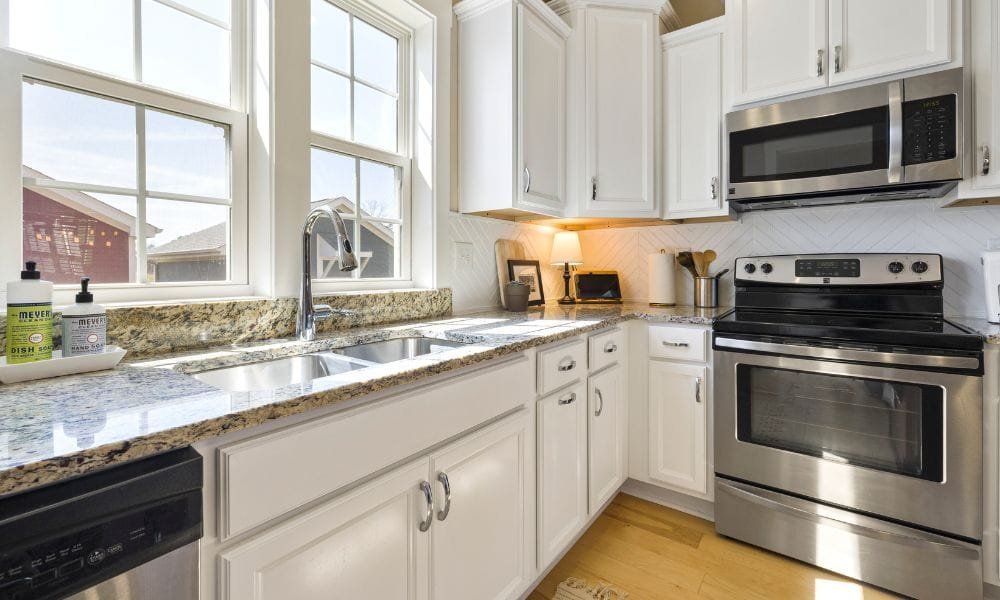
Essential Appliance Design Tips for a Smarter Kitchen Layout 2025 The contemporary kitchen is no longer a space for only cooking it’s the nucleus of your home. Homeowners in 2025 are looking to intelligent Appliance Design Tips to achieve spaces that not only look great but are extremely convenient. Whether you’re updating or renovating, focusing on where you locate appliances and how they’re designed can make a huge difference in the flow of your kitchen, saves time, and is more convenient. Why Kitchen Workflow Matters More Than Ever Whether entertaining friends and family or preparing daily meals, how your kitchen operates straight impacts your day. Inefficient design creates unneeded movement, frustration, and waste. That’s where appliance design tips enter into play they guarantee each appliance maximizes your space. The Kitchen Work Triangle Still Relevant? The kitchen work triangle (sink, stove, fridge) has been around for decades. But is it still relevant? Yes but with a twist of today. Fresh Appliance Design Tips centers on zones: prep, cooking, clean, and store. Function grouping makes for a flow that’s much more streamlined in today’s hectic lifestyle. Appliance Placement Advice for Smooth Workflow Let’s discuss good practice ways in which you can position your appliances to increase use: Refrigerator Placement Position it close to the kitchen entrance for convenient unloading of groceries. Don’t put it by the oven heat compromises cooling performance. Correct placement also reduces strain on the compressor, so if you ever notice cooling issues, our refrigerator repair service can help diagnose the problem. Dishwasher Location Install it by the sink to rinse and load more quickly. Make the door open completely without obstructing walkways. If your dishwasher ever stops draining or cleaning properly, a qualified technician can usually resolve the issue quickly. Microwave Installation Eye-level installation prevents back strain. Look at built-in versions to clear countertops. Oven and Cooktop Plan Install at a comfortable height to minimize bending. Install range hoods that fit your kitchen decor and ventilation requirements. More layout advice is available in our Appliance Placement Tips Guide. Design Tips Based on Appliance Type 1. Built-in vs Freestanding Appliances Built-in ones provide a smooth look and improved workflow. Freestanding ones are simple to replace but cannot be designed to meet goals. 2. Ergonomic Appliance Choices Select handles, controls, and heights that fit user comfort. Wall ovens, for instance, reduce bending. 3. Compact Appliances for Small Kitchens Opt for multi-functional appliances to minimize space. Apply corner installations wisely. How Design Affects Aesthetics & Function Finishes, colors, and styles may influence mood and usability. For example: Brushed steel or matte black finishes conceal fingerprints and provide a contemporary flair. Touchscreen controls must be positioned where illumination will not glare. Smart Kitchen Layouts: 2025 Trends As IoT kitchens gain popularity, here’s how appliance design advice is changing: Voicen command compatibility (e.g., Alexa-powered ovens) Smart fridge areas with cameras and automatic shopping lists App governed start times on dishwashers Smart appliances need good Wi-Fi placement, close proximity to outlets, and careful setup to function flawlessly. Sustainability in Appliance Design Today’s appliance design is not only about functionality it’s about environmentalism: Select ENERGY STAR® models Select induction cooktops that lose less heat Utilize compact washer-dryers to minimize water and power usage Open-Plan Kitchens: Appliance Design Tips In open kitchens, appliances need to blend rather than block: Look for appliances with panel-ready fronts to blend with cabinets Noise-level ratings are crucial select less than 45 dBA for dishwashers Real-Life Example: Sarah’s Kitchen Transformation Sarah, a Victoria, BC mom, transformed her busy kitchen with the aid of these appliance design tips. She moved her fridge closer to the front door, added a built in microwave, and selected a drawer dishwasher. Her prep time decreased by 30%, and she loves cooking once more. Remember, great kitchens aren’t about expensive gadgets they’re about how well your appliances support your routine. Start by applying even one or two of these appliance design tips, and you’ll notice a smoother, more efficient flow that saves both time and energy every single day FAQs About Appliance Design Tips Q1: Are Appliance Design Tips only beneficial for big kitchens? A1: Absolutely not! Small kitchens, too, reap huge rewards from intelligent placement and compact, multi functional appliances. Q2: What is the most common kitchen appliance layout mistake? A2: Positioning appliances without regard to workflow zones particularly the sink, fridge, and cooktop combination. Q3: How frequently should appliance positioning be revised? A3: Only during full remodels or if workflow feels consistently inefficient. Q4: Do energy efficient arrangements cut costs? A4: Yes! Strategic placement minimizes heat waste, energy consumption, and everyday wear and tear. Final Thoughts In the constantly changing era of kitchen design, function and aesthetics must go hand in hand. The appropriate appliance design tips not only make your kitchen appear more attractive they make it perform more effectively. From streamlining your workflow to conserving time and energy, considerate placement and design can totally change your day to day cooking experience. Looking for more appliance design tips? Explore how mixing kitchen appliance colors can enhance your kitchen’s aesthetic in this expert-backed guide. Whether renovating a small kitchen or designing your dream kitchen, having these appliance design considerations in mind can result in wiser choices, less stress, and more enjoyment spent in the center of your home. If you’d like professional guidance, our team of appliance experts is always happy to help. Design smarter. Cook easier. Live better.
Appliance Placement Tips: Smart Guide for Efficiency in 2025
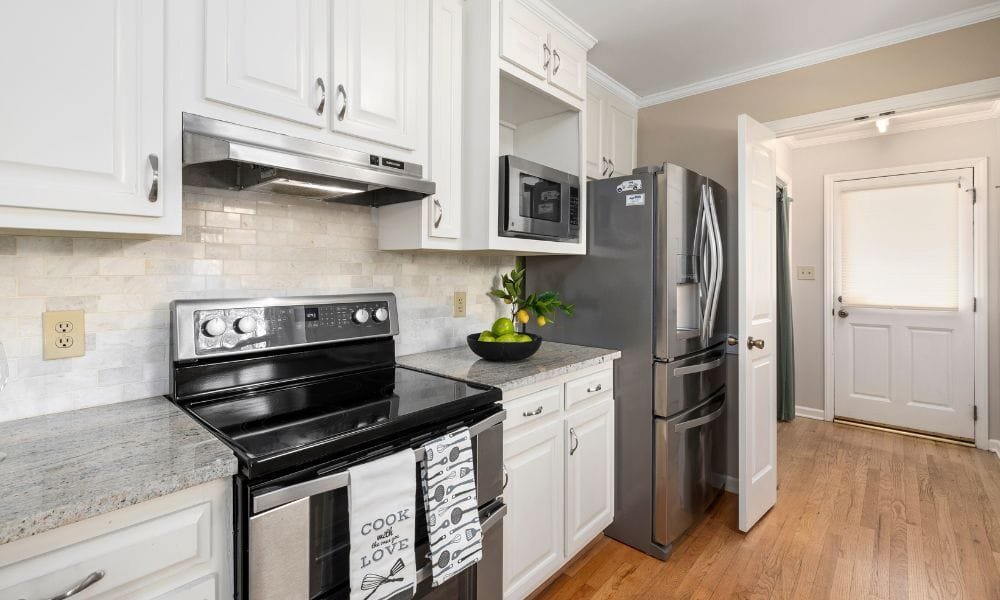
Appliance Placement Hacks: Don’t Make These Mistakes That Are Costing You More Than You Realize Why Appliance Placement is Important In the design and functionality of homes, appliance placement tends to be disregarded. But did you know that the wrong positioning can result in increased energy costs, shorter appliance life, and even safety hazards? Whether you’re renovating your kitchen or just redecorating your laundry room, this guide addresses key appliance placement tips to make your home more efficient and save you money in the long term. The Hidden Costs of Poor Appliance Placement Having your appliances in the wrong place is not a big deal, but the hidden costs are soon piling up. More energy used: Your fridge beside the oven has to work harder to remain cool. Frequent breakdowns: Lack of airflow can overheat appliances. Higher utility bills: Misplaced appliances can consume more electricity or gas. That’s why applying smart appliance placement tips is crucial for optimizing performance and saving on repairs. Kitchen Appliance Placement Tips The kitchen is the most appliance-heavy area in the house. Here’s how to make the best use of the space: 1. Refrigerator Placement Keep away from heat sources: Never place your refrigerator next to your oven or in direct sunlight. Allow breathing room: Maintain at least a 2-inch gap from the wall for ventilation. Accessibility: Ensure it’s close to the cooking and prep area for easy access. Proper placement also extends the life of your unit and reduces how often you’ll need refrigerator repair service down the line. 2. Oven & Stove Safe spacing: Keep ovens at a safe distance from windows and curtains to prevent fire hazards. Proper height: Wall ovens must be installed at chest height to prevent bending and burns. Ventilation: Install a range hood or overhead fan for proper airing. Correct spacing and ventilation also lower the odds of needing oven repair service later on. 3. Dishwasher Next to the sink: Your dishwasher must be kept next to your sink for easy supply and drainage of water. Door clearance: Ensure that there is ample space when the door will fully swing open. Getting this right helps avoid premature dishwasher repair calls down the road. Laundry Room Layout Best Practices The laundry room is another place where strategic appliance placement can save you time and effort. 1. Washer and Dryer Tips Side-by-side vs. stacked: Choose based on your room’s layout and your physical comfort. Ventilation: Ensure there’s a vent for the dryer and space behind machines for hoses. Accessibility: Keep laundry baskets and detergent nearby for workflow efficiency. Proper venting and spacing can also prevent many common washer repair issues before they start. 2. Utility Sink Placement Place it next to the washer for easy pre-washing or rinsing. Consider installing a splash guard if near electrical appliances. Bathroom Appliance Arrangements Bathrooms are smaller spaces, so maximizing layout is key. Electric toothbrush chargers and hairdryers: Keep them away from water sources. Heated towel rails: Install at a reachable height but away from direct contact with water. Washing machine (if in bathroom): Use waterproof sockets and maintain dry zone clearances. Appliance Placement Tips for Small Spaces Small apartments or tiny homes require smarter layout strategies. Use multi-functional appliances: Consider oven-dishwasher combos or washer-dryer units. Wall-mount wherever possible: Microwaves, TVs, and even compact dryers can be wall-mounted. Pull-out counters: These can act as workstations or storage over appliances. Ventilation and Heat Dissipation One of the most crucial appliance placement tips is accounting for ventilation. Fridge: Needs airflow to keep compressors cool. Microwave: Especially over-the-range models need exhaust venting. Dryer: Always ensure there’s an exhaust path for hot air. Without proper heat dissipation, your appliances overheat and wear out faster. Electrical and Plumbing Access When placing appliances, always think of utility connections. Fridges and ovens: Ensure proximity to outlets and avoid extension cords. Dishwashers and washers: Place near water supply and drain points. Safety first: Avoid running cords under rugs or through walls. Child Safety and Accessibility If you have children or elderly family members, appliance placement plays an important role. Microwaves: Place them out of children’s reach or consider drawer-style models. Ovens: Install locks or guards. Laundry: Keep detergents and chemical cleaners in higher cabinets. Appliance Placement and Home Aesthetics Smart appliance placement tips also enhance your home’s look and feel. Built-in appliances: Provide a seamless, modern look. Under-counter microwaves or drawers: Maintain countertop space. Matching finishes and handles: Help blend appliances with cabinetry. Functionality should never compromise style! Seasonal Considerations for Appliance Placement Did you know appliance efficiency changes with the seasons? Avoid placing fridges near windows: Summer sun can overwork the compressor. Outdoor appliances (grills, mini-fridges): Use all weather covers and shelter. Heating appliances: Keep them away from flammable materials in winter. Discover expert-recommended appliance placement tips to make your space safer and smarter. Final Thoughts: Why Appliance Placement Tips Are Worth It Following smart appliance placement tips helps in: Extending appliance lifespan. Reducing utility bills. Improving daily comfort and safety. It’s a small change with big benefits one that every homeowner should take seriously. For more than just appliance placement tips, see how changing seasons impact your devices in our detailed post on weather effect on appliances. FAQs: Appliance Placement Tips Q1: Can I place my fridge next to the oven? No, doing so will force your fridge to work harder, reducing efficiency and lifespan. Q2: How much space should I leave behind appliances? Typically 2–6 inches for ventilation, depending on the appliance. Q3: Is stacking washer and dryer a good idea? Yes, for saving space—just ensure they are compatible and stable. Q4: Should appliances be near windows? Avoid placing them in direct sunlight to prevent overheating and fading. Q5: What if I have limited outlets? Install additional outlets with the help of an electrician. Avoid using power strips.
Weather Effect on Appliances: Ultimate Guide 2025

How the Weather Effect on Appliances (And What to Do About It) In the modern, connected, convenience based homes we live in today, appliances are a must have. But what do you do when the weather gets extreme ferocious summers, cold winters, or damp rain heavy seasons? Astonishingly, your home appliances don’t stand idly by. They respond, occasionally radically, to changing environs. In this manual, we go in depth into the Weather Effect on Appliances what that actually entails, why it matters, and how you can safeguard your investments. Let’s crack the code of climate related harm and find out how to modify your usage and maintenance plans for every season. Weather’s Hidden Connection: Appliances Weather and your dishwasher, refrigerator, and washing machine might not appear to have any obvious connection. Yet temperature fluctuations, humidity levels, and air quality have a significant Weather Effect on Appliances function and their longevity. For instance: High humidity can destroy electronic control boards. Cold weather can freeze pipes within your washer. Heat waves can put your fridge and AC in overdrive, wearing them out more quickly. Knowing how Weather Effect on Appliances makes you make better maintenance and usage choices. It’s important to understand the weather effect on appliances to avoid unexpected breakdowns. Summer Heat and Appliance Stress When temperatures rise above 30°C (86°F), your appliances don’t get a break. In reality, the summer months can cause: 1. Overworked Refrigerators In high temperatures, your refrigerator works harder to keep food cool. This added strain leads to: Increased electricity bills Compressor fatigue Reduced overall lifespan Tip: Keep the fridge well-stocked (not empty or overloaded), ensure door seals are tight, and clean the condenser coils. If your refrigerator does start struggling despite regular care, a professional inspection can catch issues early. 2. AC Units & Heat Pumps in Overdrive Cooling systems are the most obvious victims of summer. Dirty filters, clogged coils, or low refrigerant levels make things worse. You’ll notice: Reduced cooling efficiency Loud sounds or unfamiliar odors Greater risk of breakdown Pro Tip: Have professional maintenance done towards the end of spring or early summer to get your unit ready for the hot season. 3. Washer & Dryer Overload Summer also equals sweatier clothes, beach towels, and more loads of laundry. But drying units can overheat in poorly ventilated laundry rooms. Solution: Make sure there is good airflow and clean the lint filter after each cycle. Winter Woes: Appliances in Cold Weather Cold snaps have their own set of problems. In certain areas, freezing temperatures pose a severe health risk to appliances. 1. Washing Machines & Frozen Pipes Cold air will freeze the water within hoses, resulting in: Pipe bursts Internal valve damage Leakage Tip: Drain and disconnect outdoor water connections prior to winter. If your laundry room isn’t insulated, a small space heater may be installed. A frozen or leaking washer should be checked by a technician before you run another cycle. 2. Refrigerators in Unheated Spaces Some individuals install additional fridges or freezers in basements or garages. However, when ambient temperature becomes low, compressors can get affected. Solution: Opt for one that is garage-rated or move it indoors during winter. 3. Gas Ovens and Stoves Gas cooking appliances will take longer to light up or function irregularly when it’s chilly, particularly if your kitchen isn’t well insulated. Safety Tip: Get your gas lines checked every year and make sure your oven vents properly to avoid carbon monoxide accumulation. Humidity Hazards: Moisture’s Stealthy Attack Excessive humidity, prevalent in rainy or tropical weather, can destroy electronics and appliances. 1. Mold and Mildew Washing machines, dishwashers, and air conditioners are all good candidates for mold growth in damp conditions. Preventative Action: Leave doors on washing machines open after use Use vinegar based cleaners monthly Dehumidify wet areas 2. Rust & Corrosion Metal parts on your appliances such as dishwasher racks or stove knobs are subject to rust when they’re constantly moist. Pro Tip: Spray anti-rust sprays and clean your appliances frequently. 3. Short Circuits In abnormally high humidity, electrical parts are susceptible to breakdown, usually because condensation occurs on circuit boards. Avoid it: Utilize surge protectors and store appliances in ventilated rooms. Storm Season & Power Surges Thunderstorms, hurricanes, and monsoon rains frequently cause: Power outages Voltage fluctuations Electrical surges These surges are the #1 cause of electronic board death in appliances. What You Can Do: Unplug appliances in storms Buy surge protectors or whole-house surge protection Install backup power sources like a generator or UPS Preventive protection against weather-related electrical damage is the key to appliance longevity. Appliance by Appliance Breakdown: What to Watch in Each Season Appliance Summer Impact Winter Impact Humidity/Storm Risks Refrigerator Overworked, condenser strain May malfunction in cold garages Condensation issues Washing Machine Frequent use, mold growth Frozen pipes Mold, rust Dryer Overheating, fire hazard Inconsistent heating Lint blockage, overheating Oven/Stove Thermostat calibration errors Gas ignition problems Moisture in electronics Dishwasher Sensor issues due to heat Less usage, drying issues Mold, internal corrosion Air Conditioner Constant operation, clogged filters Idle, needs winter prep Mold, coil rust Tips to Weatherproof Your Appliances Year-round protection for appliances doesn’t have to be overly complicated. Some seasonal adjustments and maintenance checks can do wonders: 1. Install Climate Control in Key Areas Ensure your laundry room, garage, or basement is not subjected to extreme weather. Utilize: Portable dehumidifiers Room heaters Ventilation fans 2. Clean & Inspect Regularly Dirt, dust, and moisture get accumulated on appliances. Incorporate cleaning into your monthly regimen: Vacuum fridge coils Wipe dishwasher seals Clean AC filters 3. Monitor Temperature and Humidity Smart sensors can notify you when a room becomes too hot, cold, or humid. These avoid weather induced appliance malfunction. 4. Use Appliances Efficiently Don’t overload dishwashers and washers. In extreme weather, run appliances off-peak (such as early morning or late night) to ease the load. Smart home planning can reduce the negative weather effect on appliances in every season. Eco-Friendly Weather Protection Being weather conscious isn’t all about
Smart vs Traditional Appliances: Energy Savings in 2025

Smart vs Traditional Appliances in 2025: What’s the Real Energy Saver? The argument for smart versus ordinary appliances is more pertinent than ever in 2025. With energy bills going up and environment-friendliness a concern at home, homeowners find themselves wondering which appliances really cut it. Do you hold onto your trusty old washing machine or upgrade to a smart one that can be controlled from your phone? Is a smart fridge worth all the fuss, or does it really just add bells and whistles? In this blog, we will highlight the energy-saving features of smart and conventional appliances, so that you can choose wisely for your home and the planet. Choosing between smart vs traditional appliances has become a key decision for homeowners in 2025. As energy efficiency becomes more important, understanding how smart vs traditional appliances perform can help you reduce bills and environmental impact. This blog explores the truth behind smart vs traditional appliances, comparing features, savings, and long-term value. Learning the Fundamentals: What Does it Mean for an Appliance to be “Smart”? Let’s first clarify what smart appliances are. A smart appliance has connectivity capabilities (typically Wi-Fi or Bluetooth), sensors, and occasionally AI to support remote control, automation, and energy consumption optimization. Typical characteristics of smart devices are: Remote access and management through smartphone apps Automated cycles according to usage patterns Maintenance notifications Smart home system integration (such as Alexa or Google Home) Instantaneous energy consumption reports Conventional devices, however, function manually without internet connection or automation. They tend not to have sensors and need more user inputs, but they’re typically less expensive to purchase upfront and easier to fix. Energy Efficiency: The Core of the Debate Energy efficiency is the top consideration when comparing Smart vs Traditional Appliances. Let’s break down how they perform in various categories: 1. Refrigerators Smart: Automatically adjust internal temperatures according to door usage or time of day; alert you if the door has been left open. Traditional: Fixed temperature, set-and-forget cooling. Winner: Smart refrigerators conserve energy over time through dynamic optimization. 2. Washing Machines Smart: Auto-adjust water level, cycle duration, and detergent dosage according to load size. Traditional: Wasteful of water and electricity in manual cycles. Winner: Smart washers are smarter by adapting to real needs. 3. Dishwashers Smart: Autopilot with sensors to adjust water pressure and temperature; auto-start off-peak. Traditional: Higher water and energy consumption with no automation. Winner: Smart dishwashers, particularly Energy Star-rated ones. 4. Ovens Smart: Remote preheat, store favorite recipes, and auto-turn off. Traditional: Simple cooking functions, no connectivity. Winner: Smart ovens help save energy by precision cooking and automation. 5. Dryers Smart: Automatically detect moisture levels and stop cycles. Traditional: Operate on timers, tending to over-dry clothes. Winner: Smart dryers that save energy and minimize wear on clothes. Real-World Scenarios: Comparing Energy Bills Let’s assume two households: Household A is equipped with only traditional appliances. Household B replaced traditional appliances with smart ones within the past 12 months. Results: The Environmental Impact Saving energy isn’t just good for your wallet. It also has a big effect on your carbon footprint. Smart appliances: Consume less power during peak periods Cut emissions by not using extra cycles Connect with renewable energy systems Even if you’re not living completely off the grid, these changes add up across thousands of homes, making smart appliances a more eco-friendly choice. Upfront Costs vs. Long-Term Savings One of the biggest barriers to smart appliances is the initial cost. Let’s break down the cost comparison: While the upfront cost is often double, the savings over 5–10 years—and the added convenience—usually justify the investment. Common Misconceptions About Smart Appliances “They’re complicated to use.” Most smart appliances are accompanied by easy-to-use apps and voice control. “They break more frequently.” In fact, most smart devices provide maintenance notifications, reducing the likelihood of breakdowns. “They spy on you.” Though concerns exist regarding privacy, the majority of smart appliances gather usage statistics only to enhance efficiency. “They require ideal Wi-Fi.” Most still operate manually if cut off from the internet. When to Choose Traditional Appliances In spite of all the benefits, conventional appliances do have their niche: If renting or in the process of moving When on a tight budget For users who like straightforward, mechanical controls Where internet connectivity is poor Tips for Smarter Energy Consumption (Irrespective of Appliance Type) Disconnect unused appliances to eliminate phantom energy consumption. Make use of power strips for bulk shut-off. Regular maintenance such as cleaning filters and coils. Use off-peak power hours for heavy-load operations. Educate the family members on energy-saving practices. Expert Insights about Smart vs Traditional Appliances Smart appliances provide an unparalled opportunity to cut your energy cost while upgrading home comfort and convenience. They pay for themselves in a few years. Jane Mullins, Home Energy Consultant Old-fashioned appliances remain valuable in some contexts, particularly for temporary usage or low connectivity locations. Mike Jensen, Appliance Technician. Compare smart vs traditional appliances based on energy standards through Energy Star’s official comparison resources. Conclusion about Smart vs Traditional Appliances In the war of Smart vs Traditional Appliances, smart appliances gain the advantage of energy savings, ease of use, and good for the environment particularly in 2025, with smart technology having become more advanced and cost-effective. Although conventional models continue to function well in certain cases, investing in smart versions is a smart move for the new-age, energy-aware home. Discover how routine care complements the benefits of smart vs traditional appliances in our appliance maintenance tips guide, and browse our supported appliance brands to see which smart models we service. By knowing the strengths of both kinds and developing wiser habits in general, you can pay substantially less for your energy and live a more environmentally friendly lifestyle. FAQs about Smart vs Traditional Appliances Q1:Smart vs Traditional Appliances which more costly to fix? A1: Occasionally, but many include extended warranties and diagnostic software. Q2: Can smart appliances be used manually? A2: Yes, most can still operate without connectivity. Q3: Are smart appliances
Save Energy in 2025 with Smarter Appliance Usage
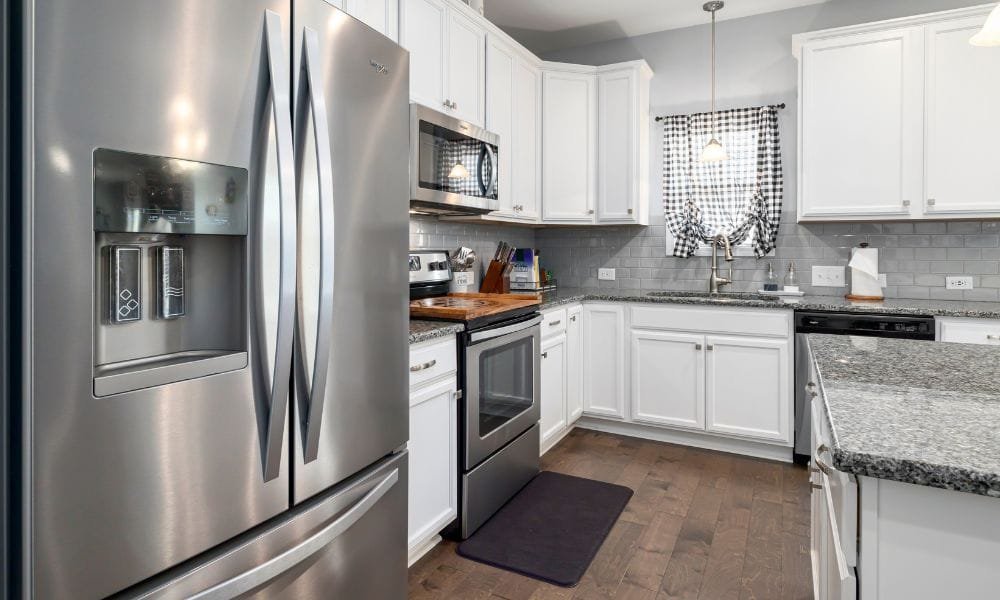
Smarter Appliance Usage in 2025: Your Ultimate Guide to Saving Energy Energy efficiency is not only a trend anymore – it’s a requirement. With increasing utility bills and more pressing concerns about global warming, homeowners are seeking efficient ways to cut their energy usage. Smart appliance use is one of the most effective measures. In 2025, smart technology and eco-friendly habits are revolutionizing the way we utilize our home appliances. This in-depth guide will teach you how to adopt smarter appliance use to conserve energy, reduce your bills, and help make the world a greener place. Why Smarter Appliance Usage Matters Every appliance in your home draws energy – some more than others. From your refrigerator running 24/7 to the oven you use for cooking dinner, energy use adds up fast. But smarter usage isn’t just about using appliances less it’s about using them wisely. Benefits of smarter appliance usage include: Reduced energy bills Longer appliance lifespan Lower carbon footprint Improved home efficiency By bringing together smart devices and mindful habits, you’re not just saving money but contributing to sustainable living as well. Knowing Smart Appliances Smarter Appliance Usage are loaded with technologies such as sensors, Wi-Fi connections, and automated control. These features enable you to: Check energy usage in real-time Manage appliances remotely Get maintenance notifications Save energy based on your behavior Common examples range from smart thermostats, energy-saving washing machines, to Wi-Fi-connected refrigerators. Top Appliances That Gain the Most from Smarter Use Here’s a breakdown of key household appliances and how smarter usage can make a difference: 1. Refrigerator Smart Tip: Keep it 3/4 full to maintain cooling efficiency. Upgrade Advice: Use a smart refrigerator that sends alerts if doors are left open or temperatures rise. 2. Washing Machine Smart Tip: Run full loads with cold water and use high-efficiency detergent. Upgrade Advice: Smart washers choose the best cycle based on load weight and fabric type. 3. Dishwasher Smart Tip: Utilize the eco mode and operate it only when loaded. Upgrade Advice: Opt for dishwasher models with automatic water and energy adjustment. 4. Oven Smart Tip: Preheat when required and cook several foods simultaneously. Upgrade Advice: Install a smart oven that has remote preheat and precision cooking features. 5. Dryer Smart Tip: Clean lint filters following each use and dry heavy loads. Upgrade Tip: Intelligent dryers can alert you when clothes are dry to avoid over-drying. 6. HVAC System Smart Tip: Filter maintenance and thermostat settings to eco-friendly levels. Upgrade Tip: Smart thermostats understand your routine and adjust temperatures for you. 2025 Smart Appliance Trends New technologies creating a splash in 2025 include: AI-Powered Suggestions: Appliances that learn about your routines and offer energy-saving options. Home Energy Dashboards: Track usage on all devices from one hub. Voice Integration: Operate appliances with smart speakers such as Alexa or Google Home. Grid-Aware Appliances: Appliances that modify their operation according to electricity grid demands. These technological advancements encourage smarter appliance usage like never before. Practical Tips to Implement Smarter Appliance Usage 1. Schedule Your Usage: Operate high-power appliances during off-peak times. 2. Unplug When Not in Use: Even standby power is used by idle appliances. 3. Employ Energy Star Factory-trained Appliances: Find factory-trained models that consume less energy. 4. Activate Smart Features: Utilize manufacturer apps to remotely monitor and control. 5. Educate the Household: Make sure everyone at home knows how to efficiently use appliances. 6. Regular Maintenance: Keep appliances clean and serviced to ensure they perform at optimal levels. 7. Employ Load-Shifting Techniques: Shift flexible usage (e.g., laundry) to low-demand periods. 8. Choose Multi-Functional Appliances: Combo appliances can be energy- and space-saving. Common Mistakes to Steer Clear Of In pursuit of smarter appliance use, steer clear of these common pitfalls: Not updating smart device software Overloading the appliances Placing devices in standby mode all the time Skipping regular cleaning and maintenance Misusing energy-saving modes Being mindful of these pitfalls can help ensure your efforts translate to actual energy savings. How to Monitor Energy Consumption Effectively Monitoring your energy consumption allows you to see what changes are having the greatest effect. Utilize devices such as: Smart Meters: Placed by power companies to provide instant feedback Appliance-Specific Monitors: Tools such as Sense or Emporia are able to monitor individual use Smart Plugs: Plug in any appliance to determine how much it consumes Check your usage on a weekly basis to discover trends and make appropriate adjustments. Real-World Impact of Smarter Appliance Usage Families that adopt more intelligent appliance use in 2025 are experiencing real benefits: A Victoria, BC family cut their monthly bill by 30% after installing smart appliances and optimizing their patterns of use. Another house saved 1,500 kWh per year by simply switching off standby power on their entertainment system. Remote commuters have programmed their appliance cycles to run in sync with solar panel energy output, enhancing energy autonomy. These instances show how minor adjustments can lead to dramatic outcomes. When to Replace Old Appliances Even the most efficient usage will not solve a leaky old appliance. Replace those appliances that: Are older than 10-15 years No longer operate economically Break down often Do not have energy-saving technology Buying new, smart-powered appliances is an energy-saving win in the long run. Stay up to date on national standards and expert advice around smarter appliance usage by visiting Energy Star’s official guidelines. Conclusion about Smarter Appliance Usage Smarter Appliance Usage in 2025 is not just a buzzword it’s a realistic, effective method of controlling your home, your energy, and your pocketbook better. From smart ovens to scheduling washing machines, the plans in this guide provide effective, realistic steps toward minimizing energy wastage. To improve your efforts in smarter appliance usage, check out our expert-backed appliance maintenance tips designed for long-term energy savings. As technology advances, being updated and developing smarter habits will keep your home energy-efficient for many years. FAQs about Smarter Appliance Usage Q1: Is it worth making all appliances smart? A1: Not necessarily all at once. Begin with the
Top 10 Appliance Safety Tips Every Homeowner Must Know

10 Must-Know Appliance Safety Tips to Protect Your Home Home appliances are a part of our daily routine—but they can be very dangerous if not maintained properly or used with caution. Ranging from electric fires to gas leaks, internal appliance dangers go un-noticed till it’s too late. The risks may be petty, but they can result in significant accidents and costly repairs over time. Your microwave, refrigerator, oven, dryer, and other appliances work tirelessly each day—and just like any device, they need some regular care and attention. That’s why it’s essential to learn about the most frequent safety hazards and how to avert them. In this blog, we’ll go over 10 essential Appliance Safety Tips that each homeowner must know. From a malfunctioning oven to a clogged dryer vent, these tips will assist you in making your home safer and your appliances more efficient. 1. Don’t Ignore Frayed Power Cords A damaged or frayed cord is hazardous and can ignite fire. It can lead to electrical shorts, shocks, or even ignite fires—particularly when exposed to combustible materials. Cords over time get weakened through constant flexing, dampness, or exposure to heat. Tip: Inspect cords on appliances such as toasters, microwaves, and coffee makers regularly. If damage is found, unplug the appliance right away and replace the cord or the appliance. Never use tape to cover a frayed cord—it is a temporary solution and will not remove the hazard. 2. Don’t overload Outlets Overloading an outlet with too many appliances or plugged into one power strip may heat up your electrical system and raise the risk of electrical fires. High-wattage appliances such as space heaters and ovens are especially hazardous when overloaded. Tip: Get power strips with surge protection, and never string them together (plugging one strip into another). Space out large appliances to different outlets and have an electrician install more dedicated circuits if necessary. 3. Regularly Clean Dryer Vents Dryer vent clogging with lint is one of the most common causes of house fires. Lint builds up over time, constricting airflow and causing heat buildup that is highly flammable. Tip: Clean out the lint filter after each load. Every year, take down and clean the whole dryer vent hose and verify that the outside exhaust is not clogged. If you find that clothes are drying more slowly, it might be an indication that the vent is in need of service. 4. Check Appliance Recalls Manufacturers sometimes recall appliances due to design flaws or safety defects. These recalls are meant to prevent accidents, but many homeowners remain unaware of them. Tip: Register your new appliances online immediately after purchase. You’ll get notified if a recall is issued. Visit websites like the U.S. Consumer Product Safety Commission to check your existing appliances and stay informed. Implementing practical appliance safety tips not only helps you avoid unexpected hazards but also ensures your devices operate efficiently for years. With just a little effort, these appliance safety tips can make a big difference in protecting your home and loved ones from preventable accidents. 5. Never Leave Cooking Unattended Unsupervised cooking is one of the leading causes of kitchen fires. Boiling over, overheating oils, or food left in the oven can turn into fire hazards fast. Tip: Stay in the kitchen while cooking, and if using high heat, particularly. If you need to leave, turn off the appliance or have someone stand watch. Keep combustible items such as towels and paper a distance from burners and heating sources. 6. Be Aware of Gas Odors A slight gas odor near appliances such as stoves or dryers may indicate a leak—a highly dangerous condition that may cause explosions or carbon monoxide poisoning. Tip: When you smell gas, don’t use a match or electrical switches. Switch off the appliance and gas supply at once, ventilate with open windows, leave your house, and contact a professional technician or the gas company. 7. Keep Water Away from Electrical Appliances Water and electricity do not mix. Any exposure of water to appliances that are plugged in can lead to electric shock or short circuits. Practicing smart appliance safety tips can make a big difference in preventing costly and dangerous home accidents. Tip: Dry appliances and avoid using extension cords in wet locations such as kitchens or bathrooms. Never hold a plugged-in appliance with wet hands, and always dry your hands completely before using any electrical device. 8. Install Carbon Monoxide Detectors Gas-burning appliances such as ovens, water heaters, and furnaces can emit carbon monoxide—a colorless, odorless gas that is deadly when inhaled over time. Tip: Place detectors close to sleeping areas and gas-burning appliances. Test monthly and replace batteries every year. If your alarm sounds, get out of your home at once and call 911 or your local fire department. 9. Have Regular Maintenance Abandoned appliances can accumulate dangerous faults with time. Even premium equipment can deteriorate if not given regular maintenance, resulting in expensive repairs and damage. Staying proactive with appliance safety tips is one of the smartest ways to protect your home and loved ones. By following trusted appliance safety tips, you can avoid costly damage, reduce the risk of accidents, and enjoy peace of mind year-round. Tip: Have factory-trained technicians inspect and maintain your household’s large appliances every year, particularly your HVAC system, oven, fridge, and clothes dryer. Maintenance can prevent issues from arising and prolong the lifespan of your appliances. 10. Inform Your Household About Appliance Safety Tips All members of your household must learn to use appliances safely. Ignorance is usually the source of accidents, particularly children and old relatives. Tip: Educate your household members on appliance safety fundamentals, such as not pulling the cord, switching off gadgets when not utilized, being able to recognize warning signs of malfunction, and letting them know something is amiss if they smell or hear unusual noises. Establish precise guidelines on what and when to use specific appliances. The U.S. Fire Administration shares additional appliance safety tips to help reduce
Your Ultimate DIY Appliance Repair Guide for Easy Fixes
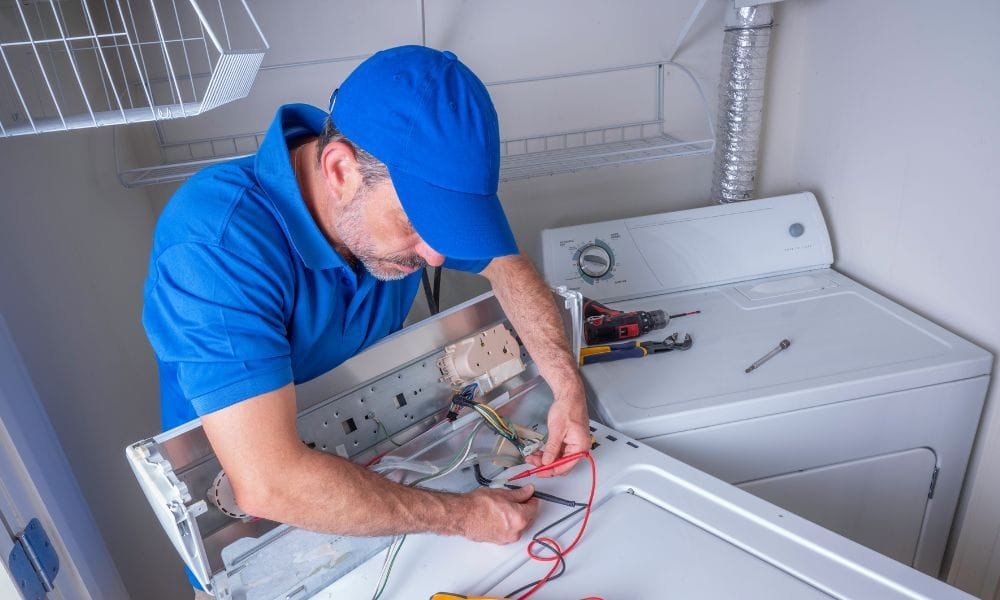
Master DIY Appliance Repair: Smart Fixes, Real Savings When your household appliances malfunction, the initial thought process is: “Should I repair it myself or call a technician?” Repairing appliances by yourself can help save you money and provide a sense of achievement. On the other hand, it may cause additional damage, invalidate warranties, or even be unsafe to do if not done properly. In this comprehensive guide, we’ll dive deep into the world of DIY appliance repair, highlight which fixes are safe to handle yourself, when to call a professional, and how to make smart repair decisions that protect your home and your wallet. Why DIY Appliance Repair is Tempting Cost Savings: Labor charges make up a big part of repair bills. DIY avoids that cost. Con.venience: You don’t need to schedule an appointment for service. Learning Opportunity: Lots of homeowners like learning about how appliances operate. Satisfaction: Making a repair work on your own is. incredibly satisfying. But the risks exist too. So how do you decide when it’s a good idea to try and when it’s time to back away? When DIY Appliance Repair Makes Sense 1. The Fix is Simple and Low-Risk. Changing a refrigerator light bulb or clearing a dishwasher filter are simple DIY tasks. Always refer to the user guide for troubleshooting procedures. 2. You Have the Right Tools Common tools such as screwdrivers, multimeters, and socket sets are necessities. If the repair involves specialized equipment, it is perhaps best to use a technician. 3. Lots of Online Resources YouTube videos and repair blogs can be very useful. But beware: not all instructions are correct or safe. 4. It Won’t Void the Warranty If your appliance is still under warranty, opening it up will void it. Always read your policy before attempting it. Common DIY Appliance Repairs You Can Try Refrigerator Replacing the water filter Cleaning condenser coils Repairing door gasket Washing Machine Cleaning the filter Replacing a cracked belt Repairing the door latch Oven Replacing oven light Cleaning the heating element Recalibrating the thermostat Dishwasher Cleaning the spray arm Repairing a blocked drain Replacing the dispenser for detergent All of these activities can usually be done safely with a little patience and minimal tools. Red Flags: When to Call a Professional 1. Electrical Issues Scorched odors, sparks, or tripped breakers are indications to immediately stop and call a qualified technician. 2. Gas-Powered Appliances Gas leaks or problems with your oven/stove gas can be very hazardous. Never undertake DIY fixes on gas appliances unless trained. 3. Refrigerant Handling Repairing sealed systems or refrigerant leaks in refrigerators or AC equipment must be done under certification. Improper handling can lead to health risks. 4. Major Component Replacements If the repair entails the motor, compressor, or control board, let professionals handle it. Safety First: Tips Before Attempting DIY Repairs Unplug the appliance prior to working on it Wear protective gloves and goggles Keep the working area dry and clean Read step-by-step instructions carefully Don’t guess; stop if in doubt The Cost Factor: DIY vs. Professional Repair DIY fixes can obviously save money, but they might end up costing more in the long term if the repair does not hold or it damages something else. What the Professionals Provide That DIY Does Not Professional Diagnosis: They are able to identify underlying issues immediately. Warranty on Work: Their work is covered by a service warranty. Correct Tools & Spares: Professionals use OEM spares. Safety Guarantee: They observe codes and safety protocols. Hiring a technician from our appliance repair services can be the wiser choice if the problem is technical or involves safety. How to Select the Proper Appliance Repair Service If you plan on skipping DIY, select a professional service: Read reviews and ratings online Ask if they have experience with your appliance brand Check licensing and insurance Compare pricing between providers but don’t opt for the cheapest blindly To ensure your DIY appliance repair meets safety standards, explore trusted tips from factory-trained sources like your local utility provider or appliance manufacturer. FAQs About DIY Appliance Repair Q1: Will DIY appliance repair invalidate my warranty? Yes, if it’s done incorrectly or not authorized. Always check the warranty policy. Q2: Are there apps to assist with appliance repair? Yes, there are apps such as “RepairClinic” that can assist you. Q3: What is the most popular DIY appliance repair? Clogged filters, dusty coils, and door gasket replacements are the top ones. Q4: Should I purchase used parts for DIY repair? It’s best to purchase new OEM parts for compatibility and safety. Q5: How do I determine if it’s worth repairing an appliance? If the cost of repair is greater than 50% of the value of the appliance, consider replacement. Conclusion DIY appliance repair can be empowering and cost-effective—when done right. The key is knowing your limits and recognizing when it’s time to step back. If the issue is minor and well-documented, give it a shot. But for more serious, hazardous, or technical problems, calling a professional isn’t just safer—it’s smarter. If your fridge isn’t cooling properly, check out our expert guide on common refrigerator issues in summer and see how smart DIY appliance repair can save the day. Balance caution with confidence, and you’ll keep your home running smoothly without unnecessary stress or expense.