 10+ Years of Experience
 Same-Day Service Available

How Do I Stop My Fridge From Making Noise? (Edmonton Homeowner Guide)
A noisy refrigerator can disrupt your whole home — especially in Edmonton where many homes have open-concept kitchen and living areas. If your fridge is suddenly buzzing, rattling, humming, clicking, or making a grinding sound, it may be a sign of a problem that you shouldn’t ignore. This guide explains the most common reasons a fridge makes noise, what you can troubleshoot safely at home, and when to call a professional appliance technician in Edmonton. Why Your Fridge Might Be Making Noise Some noises are normal — such as quiet humming or occasional clicks — but loud or continuous noises usually mean something is wrong. Common noise sources include: 1. Dirty or Blocked Condenser Fan (Very Common in Edmonton Homes) Edmonton homes with pets, carpeted areas, or dust-prone basements often get heavy dust buildup on the condenser fan. Symptoms: Loud humming or buzzing Rattling from behind or underneath the fridge Fridge feels warm on the sides Fix: Unplug the fridge → pull it out → vacuum coils and fan area → clear dust from blades. 2. Evaporator Fan Issue (Noise from Inside the Fridge/Freezer) If noise increases when the fridge door is closed, it may be the evaporator fan. Common signs: High-pitched squeaking Clicking Grinding noise inside freezer Fridge not cooling evenly This fan often becomes blocked by ice buildup, especially in Edmonton’s dry-cold climate where doors left open create sudden frost inside. 3. Ice Build-Up on Coils Ice on the evaporator coils prevents airflow, causing the fan to struggle and make noise. Signs: Freezer back wall frosted Clicking, buzzing, or scraping sounds Fridge warm but freezer cold A failing defrost heater or sensor is usually the cause. 4. Water Line or Ice Maker Noise Homes in Edmonton frequently experience water pressure fluctuations, which can cause: Loud tapping Buzzing when ice maker fills Vibration from water line hitting the wall Make sure the line is not kinked or touching another surface. 5. Unlevel Fridge (Common in Older Edmonton Homes) Uneven tile, basement suites, or older hardwood floors cause vibration noises. Fix: Use a level → adjust fridge legs → ensure fridge is stable and not touching walls. 6. Compressor Noise If the noise is coming from the back and sounds like loud humming, knocking, or short bursts of buzzing, the compressor may be failing. This is a major repair requiring diagnosis. Troubleshooting Steps You Can Try at Home ✔ Step 1: Disconnect Power Always unplug before checking fans or coils. ✔ Step 2: Clean Condenser Coils Dust buildup is the #1 cause of noise in Edmonton homes. ✔ Step 3: Inspect Condenser Fan Check for debris, damaged blades, or wobbling. ✔ Step 4: Check for Ice Buildup If the inner freezer panel is iced over, you likely have a defrost issue. ✔ Step 5: Test the Door Switch Open the fridge door → listen → the fan should stop. If it doesn’t, the switch may be bad. ✔ Step 6: Level the Fridge Ensure all legs touch the ground. If noise continues after these steps, the problem is likely mechanical. Professional Fridge Repair in Edmonton (Same-Day Service) If your fridge is still making noise after basic troubleshooting, it’s time to call a fridge repair technician in Edmonton. At Quick Fix Appliance Experts, we offer professional and reliable repair services across: Edmonton St. Albert Sherwood Park Beaumont Leduc Fort Saskatchewan We repair all fridge noise issues: Evaporator fan replacement Condenser fan repair Ice buildup & defrost system issues Compressor diagnostics Water line vibration problems Temperature control failures
Freezer Won’t Cool? Edmonton Experts Explain How to Fix It
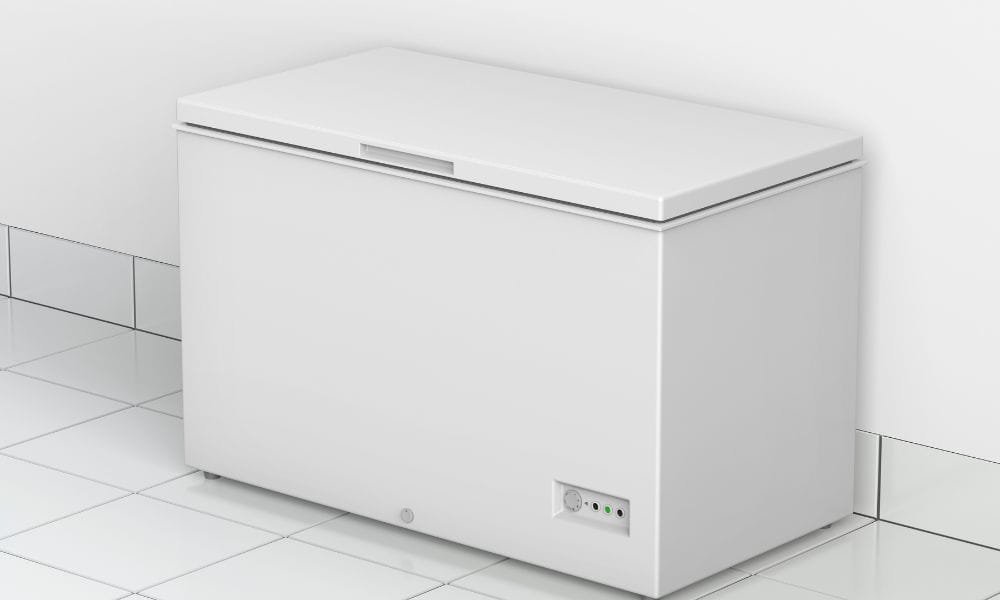
Freezer Repair in Edmonton: When Your Frozen Goods Are at Risk Nothing is worse than opening your freezer and finding your groceries thawed or a strange puddle forming on the floor. In Edmonton, where long winters and large households mean freezers work overtime, a breakdown can disrupt your entire routine. That’s when fix freezer near you services become essential. From family meals to special occasions, residents depend on freezers to keep food safe. When your appliance stops working, prompt help from freezer services in Edmonton ensures your frozen goods and peace of mind stay intact. Why Edmonton Residents Rely on Professional Freezer Services DIY repairs might seem tempting, but modern freezers are complex machines with compressors, thermostats, and intricate cooling systems. A single misstep can make the problem worse. Factory-trained freezer repair service near you professionals not only restore functionality but also inspect the entire unit for hidden issues. They spot problems before they become major breakdowns, preventing costly spoilage and equipment damage. Calling a freezer technician early saves you time, stress, and money. Common Freezer Problems in Edmonton Homes and Businesses Every week, technicians receive calls for a variety of freezer issues. The most frequent problems include: The freezer isn’t cooling or maintaining temperature. Strange noises from the compressor or fan. Ice buildup in the freezer or on the coils. Leaks or frost forming on the floor. Doors that won’t seal properly, letting air escape. If you notice any of these warning signs, it’s time to call freezer repair service near you before food spoilage occurs. Early intervention protects both your groceries and your appliance. How Freezer Repair in Edmonton Keeps Your Food Safe A working freezer is more than convenience—it’s a lifeline. In homes, it protects family meals; in commercial settings, it safeguards business inventory. A reliable freezer service ensures the appliance operates efficiently, preventing waste and costly replacements. Local freezer technicians carry the right tools and replacement parts to handle all freezer models, from standard residential units to large commercial walk-in freezers. Their expertise ensures repairs are done quickly and effectively. Quick Checks Before Scheduling Freezer Service in Edmonton Before calling a professional, you can perform a few simple checks: Ensure the freezer is plugged in and the circuit breaker isn’t tripped. Inspect the door seal for gaps or cracks. Check the temperature settings to confirm they haven’t changed. Remove heavy frost buildup that might be blocking airflow. If these steps don’t solve the issue, a freezer repair Edmonton expert can accurately diagnose the problem and restore cooling safely. Benefits of Hiring Factory-trained Freezer Technicians in Edmonton Professional freezer services go beyond quick fixes. They analyze the whole system to prevent future breakdowns. Benefits include: Warranties on parts and labor. Use of genuine replacement components. Safe handling of refrigerants and electrical systems. Transparent pricing and clear communication. For Edmonton residents and businesses, having a trusted local freezer repair near you ensures minimal disruption, whether it’s a family freezer or a commercial walk-in unit. Specialized Freezer Services: Walk-In and Commercial Repairs Commercial freezers and walk-in units require specialized attention. From restaurants to grocery stores, any downtime can result in massive losses. Professional commercial freezer repair Edmonton services address: Compressor or thermostat failures. Broken fans or motors. Refrigerant leaks. Structural damage or insulation issues. Factory-trained walk-in freezer repair Edmonton technicians understand these unique systems and ensure repairs meet safety and performance standards. Same-Day Freezer Repair in Edmonton Freezer failures often happen at the worst possible time. That’s why many Edmonton residents and businesses rely on 24/7 freezer repair Edmonton services. Whether it’s a sudden power issue, a compressor failure, or a temperature spike, factory-trained technicians respond quickly, restoring functionality and preventing costly spoilage. Preventive Freezer Maintenance: Save Money and Hassle Regular maintenance is key to avoiding costly breakdowns. A professional freezer maintenance service in Edmonton helps: Keep compressors and fans clean. Check refrigerant levels and refill if necessary. Inspect door seals and insulation. Reduce energy consumption by optimizing efficiency. Routine care extends the life of your freezer and ensures your food stays safe year-round. Cost of Freezer Repair in Edmonton Homeowners and business owners often ask, “How much does freezer repair Edmonton cost?” Prices vary depending on the issue and type of freezer. Minor repairs, like replacing a thermostat or door seal, are cost-effective, while major repairs, like compressor replacement, cost more. Trusted local services provide clear freezer repair service near you. Choosing the Right Freezer Repair Service in Edmonton When selecting a freezer technician, look for: Factory-trained and experienced professionals with positive local reviews. Prompt, same-day service options. Transparent pricing with warranties on parts and labor. Expertise in residential and commercial freezers. A reliable fix freezer near you team ensures prompt, safe, and effective service for all types of freezers. Why Edmonton Residents Trust Local Freezer Experts Local expertise matters. Edmonton technicians understand the city’s climate, frequent usage patterns, and the appliances common in homes and businesses. Whether it’s a standard fridge, freezer, or a large commercial walk-in unit, freezer repair Edmonton professionals restore performance quickly, efficiently, and reliably. Keep Your Freezer Running Smoothly Year-Round From family meals to restaurant inventory, freezers are essential to daily life. When problems arise, timely freezer services in Edmonton prevent disruptions, keep food safe, and protect your investment. With factory-trained freezer repair service near you, you can maintain a stress-free household and a thriving business—knowing your frozen goods are in expert hands.
Victoria Freezer Service: Restore Cooling Quickly
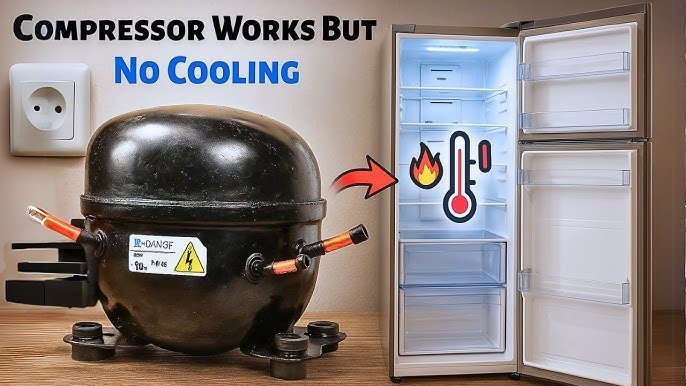
Freezer repair Victoria Ontario is one of those services that rarely comes to mind until a crisis happens. Yet the freezer is a cornerstone of every home and business in Victoria. Families depend on it to preserve weekly groceries, store garden harvests, or prep meals in advance. Restaurants, cafés, and markets rely on freezers to keep thousands of dollars’ worth of food safe. When a freezer stops working, the pressure is immediate. Spoiled food, financial loss, and the stress of scrambling for alternatives pile up quickly. That’s why timely freezer services Victoria are essential—skilled technicians can save food, restore performance, and bring peace of mind back into your kitchen or business. Fix Freezer: Why Quick Action is Non-Negotiable Fix freezer is one of the most common searches in Victoria when things go wrong. And for good reason: every hour counts. Freezers aren’t like other appliances—you can’t simply wait a week for repairs without consequences. Within 4–6 hours, ice cream melts and bread softens. After 12 hours, meats and seafood begin to thaw and become unsafe. By 24 hours, most frozen food is spoiled and must be discarded. This timeline shows why urgent freezer repair service calls are so critical. Victoria families who act quickly often save hundreds in groceries. Businesses save even more. One Oak Bay family shared how their upright freezer suddenly stopped cooling overnight. By 9 a.m., a local freezer technician Victoria was at their door. A failed thermostat was replaced on the spot, saving nearly all of the contents. If they had waited another day, the loss would have been total. Comprehensive Freezer Services Victoria: Beyond Just Fixes When most people picture freezer services Victoria, they think of urgent repair visits. But professional freezer service goes much deeper. A thorough appointment can include: Temperature calibration – Ensuring the unit maintains a steady –18°C or colder. Seal and gasket repairs – Stopping warm air leaks that cause frost and higher hydro bills. Condenser cleaning – Improving cooling efficiency and reducing energy waste. Compressor servicing – Keeping the core motor in top shape to prevent sudden failure. Drainage checks – Fixing clogged systems that create puddles or ice at the bottom. For Victoria restaurants or shops, scheduling regular freezer maintenance service avoids costly surprises. It’s like an insurance policy against downtime and spoiled stock. Victoria Freezer Repair: Common Failures That Demand Attention Victoria freezer repair technicians repeatedly see the same types of breakdowns in both homes and businesses: Freezer won’t stay cold – Usually tied to compressor problems, refrigerant leaks, or sensor malfunctions. Excessive frost buildup – Torn gaskets or faulty defrost systems are often to blame. Odd noises – Clicking, humming, or rattling can signal fan or motor issues. Water leaks – Caused by clogged drain tubes or cracked hoses. Overheating sides – Dirty condenser coils force the unit to work harder and hotter. One James Bay café ignored early frost build-up for weeks. Staff assumed it was normal. Eventually, the compressor failed under the extra strain, and thousands in perishable stock had to be thrown out. The lesson? Early Victoria freezer repair is always cheaper than late. Fridge Repair Victoria: When Refrigerator Problems Spill Over A surprising number of fridge repair Victoria calls involve freezers as well. Because the two compartments often share cooling systems, a failure in one can disrupt the other. Common overlaps include: Freezer icing up while the fridge runs warm. Compressor failure impacting both sections. Blocked airflow leaving cold trapped in the freezer. That’s why calling a trained fridge technician Victoria is so important. They understand how the systems interact and fix the root cause, not just the symptom. Fridge Repair Victoria Ontario: A Smart Investment Fridge repair Victoria Ontario offers families a smarter alternative to costly replacements. While a new unit can be a major expense, many problems—like faulty thermostats or worn seals—are resolved for far less. Professional fridge repairs extend appliance life, reduce hydro bills, and keep both fridge and freezer running efficiently. Regular fridge repair Victoria Ontario also prevents small issues from snowballing into full system replacements. Fridge Parts Victoria: Why Access to Components Matters Waiting weeks for parts is one of the biggest frustrations in appliance repair. That’s why local providers stocking fridge parts Victoria make a big difference. Common replacements include: Door seals and gaskets to stop leaks. Thermostats and control boards for temperature regulation. Fans and compressors to power cooling. Drain hoses and water lines for leak prevention. With access to genuine fridge parts Victoria, repairs are faster, more reliable, and less stressful. Freezer Repair Service: For Homes and Businesses When people search freezer repair service, they’re often in panic mode. But Victoria technicians handle both urgent fixes and long-term solutions. Households rely on chest freezers, upright models, and fridge-freezer combos. Businesses depend on walk-ins, display cases, and industrial cooling systems. By offering both residential and commercial freezer repair Victoria, technicians provide complete coverage for the city’s needs. Walk-In Freezer Repair Victoria: Essential for Local Businesses Walk-in freezer repair Victoria is one of the most urgent services for restaurants, grocery stores, and food suppliers. These massive units are critical for daily operations and stock preservation. Frequent issues include: Evaporator fans icing up. Sensors failing and letting food spoil. Compressors burning out under constant use. Doors not sealing properly, causing ice walls to form. Same-Day commercial freezer repair Victoria protects businesses from devastating losses that can occur in just a few hours. Same-Day Freezer Repair Victoria: Rapid Response When It Matters Most Not every breakdown happens at a convenient time. That’s where Same-Day freezer repair Victoria comes in. Whether it’s a family chest freezer failing on a holiday weekend or a walk-in breakdown during dinner rush, prompt service is critical. Local providers offering Same-Day freezer repair Victoria arrive quickly, diagnose issues on-site, and often carry parts for immediate fixes. This saves both homeowners and businesses from costly losses. Local Freezer Repair: Why Community-Based Service Wins Choosing local freezer repair provides more than just quick response. Local providers
Hamilton Freezer Repair Service: When to Replace vs Repair
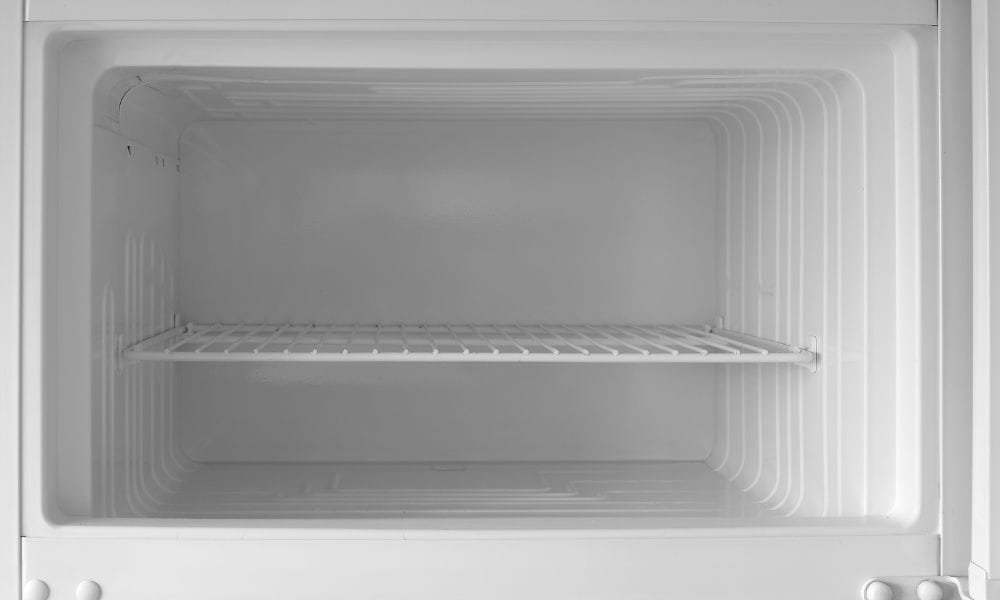
Freezer repair Hamilton Ontario is something most families and businesses only think about when disaster strikes. A freezer that suddenly stops cooling or starts making strange noises can put hundreds of dollars’ worth of groceries—or thousands in restaurant stock—at risk. Unlike some appliances that you can live without for a few days, a freezer demands immediate attention. In Hamilton households, the freezer is more than just a convenience. It’s how families stretch their grocery budgets, buy in bulk, and prepare meals ahead of time. For businesses, it’s an absolute necessity. When things go wrong, local experts offering professional freezer services are the lifeline that keeps food safe and operations running. Fix Freezer: Why Speed Is the Secret to Saving Food Fix freezer is often the very first search homeowners type when they notice their freezer isn’t working as it should. And for good reason—time is critical. Once temperatures rise above safe levels, food begins to thaw quickly. What starts as a mild inconvenience can snowball into wasted money, food safety risks, and the stress of replacing everything inside. Quick freezer repair service calls prevent this outcome. The faster a technician can diagnose and resolve the issue, the more food and money you save. Think of it like this: Within a few hours: ice cream softens, but most meats and vegetables remain safe. Within half a day: thawing accelerates, and bacteria may start to form. Beyond 24 hours: entire freezers of food may need to be discarded. Hamilton families have shared stories where a same-day call saved freezers full of groceries, while delays meant tossing out hundreds of dollars in food. Acting quickly when searching fix freezer can make the difference between a minor hiccup and a major loss. Freezer Services Hamilton: More Than Just Urgent Calls When people think of freezer services Hamilton, they often picture urgent, middle-of-the-night breakdowns. While that’s certainly part of it, professional freezer care goes well beyond crisis management. Comprehensive freezer service typically includes: Inspecting and repairing seals that let warm air in and cause frost build-up. Cleaning condenser coils to improve cooling efficiency. Testing and replacing thermostats for accurate temperature control. Servicing compressors and motors to prevent unexpected failures. Checking drainage systems to stop water leaks inside or around the unit. For businesses with walk-in units, regular freezer maintenance service isn’t just smart—it’s non-negotiable. Skipping these steps might save a few dollars today, but the long-term costs of food loss or costly breakdowns can be ten times higher. Hamilton Freezer Repair: The Most Common Failures in Local Homes Hamilton freezer repair technicians encounter many repeat problems across the city. From small chest freezers in basements to large upright models in kitchens, the symptoms tend to look familiar. Here are the top calls they receive: Freezer not cooling – Often tied to failed compressors, faulty thermostats, or refrigerant leaks. Frost overload – Caused by torn gaskets or defrost system malfunctions. Strange noises – Clicking, buzzing, or humming that signal motor or fan problems. Leaking water – Drainage systems or hoses may be blocked or cracked. Overheating exterior – Dirty condenser coils or failing fans force the unit to run hot. One Hamilton customer described how their freezer began buzzing late at night. At first, they ignored it, but within a week the unit wasn’t cooling at all. A quick call for Hamilton freezer repair revealed a worn-out fan motor. Replacing it cost far less than losing all the frozen food inside. Fridge Repair Hamilton: When Refrigerator Problems Affect Freezers A surprising number of fridge repair Hamilton calls turn out to involve freezer issues too. Because fridges and freezers often share cooling systems, trouble in one can affect the other. For example: A weak compressor may leave the fridge too warm while the freezer overcompensates with excessive frost. A faulty thermostat might cause one side to overcool and the other to undercool. Blocked airflow ducts can trap cold air in the freezer, leaving fridge sections warm. Calling a skilled fridge technician Hamilton ensures the problem is identified correctly, whether it’s a freezer, fridge, or both. Fridge Repair Hamilton Ontario: Protecting Both Appliances Fridge repair Hamilton Ontario services are essential because fridges and freezers are often paired in the same unit. Replacing the entire appliance can be a major expense but many issues are fixable at a fraction of the price. Professional fridge repairs restore efficiency, extend appliance life, and save families from unnecessary replacements. With regular service, Hamilton residents can expect their fridges and freezers to last over a decade. Fridge Parts Hamilton: Keeping Repairs Quick and Reliable One reason some people hesitate to call for fridge repair Hamilton Ontario is fear of delays waiting for parts. But local providers offering fridge parts Hamilton keep common components in stock, reducing downtime significantly. Frequently replaced parts include: Door gaskets that wear out and leak cold air. Control boards and thermostats that fail with age. Compressors and fans essential for cooling. Water lines and drainage hoses that can crack or clog. With quick access to genuine fridge parts Hamilton, repairs are not only faster but also more reliable. Freezer Repair Service: Residential and Commercial Solutions Freezer repair service applies to both home and business needs. For families, it’s about protecting groceries and budgets. For restaurants and stores, it’s about keeping stock safe and operations running smoothly. Residential units: chest freezers, upright freezers, and fridge-freezer combos. Commercial freezers: walk-ins, display freezers, and industrial systems. By offering both residential and commercial freezer repair Hamilton, technicians provide full coverage for the community’s needs. Walk-In Freezer Repair Hamilton: A Must for Local Businesses Restaurants, supermarkets, and small food shops rely heavily on walk-in freezers. When these break down, the consequences are immediate and costly. That’s why walk-in freezer repair Hamilton is such a critical service. Common issues include: Ice buildup restricting air circulation. Evaporator fans freezing up. Temperature sensors failing and letting stock spoil. Compressors breaking down under heavy use. Same-Day commercial freezer repair Hamilton ensures that businesses can keep serving customers
Freezer Fan Making Noise? Freezer Fan Repair in Hamilton
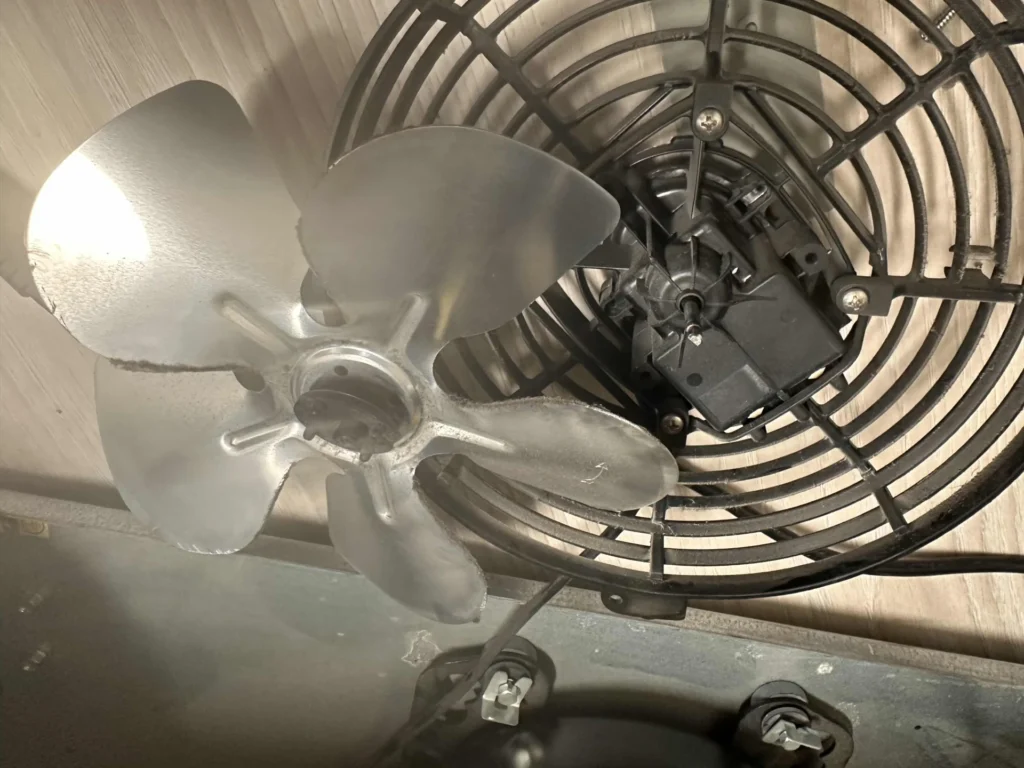
Hearing a noisy freezer is not just a small factor of inconvenience, but is also a warning sign pointing to underlying issues in a freezer. When you hear some weird noises in your freezer, especially the fan, then it might indicate that the freezer is not circulating its cold air well enough. The buzzing, rattling, or humming you hear does not appear to be serious in the first place, but eventually it can affect both the cooling performance as well as lead to uncomfortable temperatures and even spoil refrigerated food stored inside. This can be a rapidly emerging condition that needs immediate attention on the part of the homeowners. A functioning freezer fan will ensure your appliance is running as it should and won’t place extra stress on the compressor, which is one of the most expensive components to repair. This is why a lot of homeowners resort to the services of professionals specializing in freezer fan repair Hamilton style when the initial symptoms of noise appear. Abandoning the idea of action is a sure way to defend your appliance, food, and wallet. And this is the bonus of it all: when you contact a reputable freezer fan repair company in Hamilton, you are not only investing in the timely restoration of your equipment but also in restoring the whole extended life of your applianc,e with problems and faults that it might not be experiencing right now but are completely avoidable in the future. Why Does Your Freezer Fan Sound So Loud! New freezers can be constructed to be whisper-quiet, so that anything new sticks out in your mind. The fan, which is normally found behind the rear panel, plays the role of distributing cool air over the food items in your container. Freezer fan repair Hamilton indicates electrical problem, or motor color help is a disruption in the noise as the car moves. This problem can only get worse by being overlooked. A wiggling blade may bend even further, a whirring motor may burn up, and a buildup of ice around the fan may cause it to be entirely blocked off altogether. If the air flow ceases, your freezer will fail to keep the temperature you have set it to and you will experience scorched or frosty areas. By that time your repair job would be really more expensive. Freezer fans noise is mostly associated with some of the following reasons: Frozen ice around the blades: Otherwise frozen ice units or around the fan blades can make the fan rattle and grind. Worn bearings in the motor: Bearings get exposed with lowered performance, making it produce a hum or a squeal. Broken or rubbing fan blades: They can rub on parts which creates scraping or knocking noise. Debris or packaging obstructions: A dislodged food container or loose packaging can shift against the fan blades and cause a knocking or grinding noise. Faulty fan motor: The fan motor makes loud hums before failing to do anything at all Line of Action No. 1: Trouble-shooting the Noise There are a few basic troubleshooting steps to take games you experience before picking up the phone to schedule a service appointment. In other cases, it can be something minor such as too much frost or misplaced foodstuff. Even by attentively observing the fridge, following a few precautionary measures, you can prevent an expensive visit of a technician- although still, do not neglect the obvious signs of repetitive loud noises or frequent operations that will be done by freezer fan repair Hamilton. These are some of the troubleshooting skills you can perform at home: Clear any ice in the freezer: In case you have encountered the buildup of ice, the best solution would be unplugging and defrosting the unit to free the airflow. Checking the placement of objects: The item food packaging may be covering vents or near the fan blades. Disconnect and reconnect: Reboot the freezer in the event of small issues with the electric. Listening: Try to find the source of the noise: Is it located to the inside (evaporator fan), to the back (compressor fan), or bottom (condenser fan)? In the case when none of the above works, it is time to look into freezer fan repair in Hamilton as removing the panels and replacing delicate parts require a certain expertise and the right set of tools. How to know when to call freezer fan repair service in Hamilton The noise might be bearable at the beginning, but it tends to intensify as times pass by. Fans are not self-restoring-bearings get more damaged, motors get overworked, and blades can be knocked out of line when left unattended. A freezer is expected to hum calmly and not let out any rattling or buzzing sounds that could upset your home. Postponing the action potentially harms the other larger parts, and this can soon turn a comparatively cheap repair into a whole freezer replacement. Professionally-provided freezer fan repairs in Hamilton are quicker to diagnose and fix than continual attempts to do it yourself, and results are guaranteed. You will need to hire a repairman when the following things are observed: Noise levels deteriorate day or week by week. Cutting on cooling simply with food softening. Ice is building up in the unit abnormally, even after a defrost cycle A fan that stops in the middle of the cycle with loud squeaking sounds and then restarts again. Warm areas within the freezer, areas where there is no cold air flow. Maytag Freezer Fan Repair Hamilton: Durable Machines, Predictable Issues Maytag appliances have a long reputation of being long lasting, but not even the best brand will fare well against wear and tear. The Freezer fans of Maytag appliances are durable, but with time and extensive usage they, too, may become spoiled by such issues like ice accretion, worn bearings, and bent blades. The telltale sign that the machine may need some maintenance is a nagging and loud fan. One of the advantages is that
Troubleshooting Freezer Not Cold Enough: Quick Fixes Inside
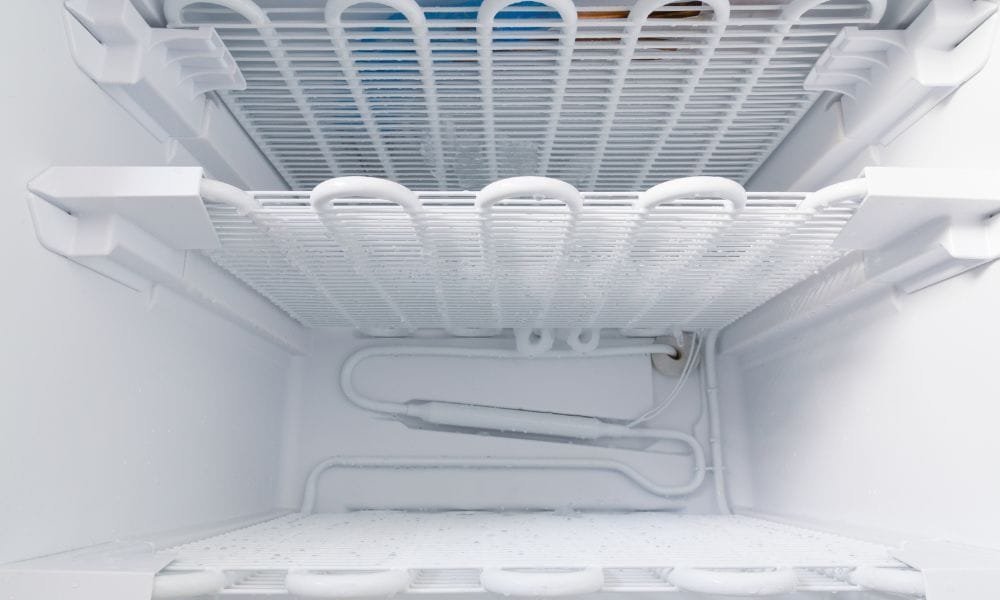
Troubleshooting Freezer Not Cold Enough Issues: A Complete 2025 Guide A Freezer Not Cold Enough can be more than an inconvenience it can lead to spoiled food, wasted energy, and rising utility bills. If you’ve opened your freezer lately and noticed soft ice cream or thawing meat, it’s a clear signal something’s off. This comprehensive tutorial will enable you to grasp the underlying reasons for the problem and also deliver realistic, human oriented solutions. Whether it’s a thermostat issue, clogged vents, or overloading, you’ll be equipped with the information to deal with it confidently. Common Causes of a Freezer Not Cold Enough 1. Temperature Settings Are Incorrect And sometimes, the simplest solution it’s just the temperature dial. Freezers need to be set at 0°F (-18°C). If the dial is higher, food won’t freeze properly. Tip: Check with a standalone appliance thermometer to make sure. 2. Clogged or Dirty Condenser Coils Dirty coils can’t dissipate heat. And all that retained heat stops your freezer from cooling. Solution: Vacuum and brush clean coils every 6 months. Location: Behind or under the freezer. 3. Worn or Defective Door Seal A worn or cracked door gasket lets warm air in, making your freezer work harder without staying cold. Check by inserting a dollar bill into the door if it comes out easily, you must replace the seal. 4. Clogged Vents Cold air flow is essential. Clogged or packed vents may restrict airflow within, resulting in uneven cooling. Reposition objects so air can freely move. Do not stack food against back and side vents. 5. Malfunctioning Thermostat or Sensors If your temperature sensor or thermostat fails, it won’t call for the compressor to cool. You might need a multimeter to check the continuity. Replacing it is most likely cheap and quick for an expert. 6. Evaporator Fan Failure This fan moves cold air around your freezer. If it’s not spinning, you’ll end up with warm spots. Listen for a humming or clicking noise. A technician can easily replace a faulty fan. 7. Overloading the Freezer Stuffing too many items reduces airflow and cooling efficiency. Remove excess items and give your freezer a chance to recover. Leave space between items for air to move. 8. Freezer Not Defrosting Properly If the defrost system malfunctions, frost may accumulate on coils, restricting airflow. Manual defrost can act as a temporary solution. If it recurs, have a technician inspect the defrost system. Smart Maintenance Tips to Avoid Cooling Problems Check and clean coils every six months. Don’t pack your freezer. Leave vents open always. Check door seals once a month. Monitor interior temperature with a thermometer. Smart Home Integration and Freezer Alerts in 2025 New freezers today have intelligent features: Wi Fi connectivity notifies you when temps increase. App alerts for open doors or low cooling. Auto defrost sensors that minimize upkeep efforts. These are must haves to help prevent your freezer not cold enough problem from becoming a larger issue. Real Life Case: Repairing a Freezer in Victoria, BC A Victoria family observed their freezer was not holding ice cream solid. Cleaning out the coils and reorganizing packed food groups within the freezer solved the problem. A simple adjustment sometimes returns full operation.Explore our Freezer Storage Guide to make the most of your freezer space while ensuring proper air circulation. Power Surges and Freezer Performance In some cases, the reason your Freezer Not Cold Enough is not mechanical issues but electrical irregularities. Power surges or voltage drops can momentarily disrupt the freezer’s compressor function, causing internal temperatures to rise. While many modern freezers come with surge protection, repeated fluctuations can wear down internal components. If you’ve recently experienced a power outage or spike, give your freezer a reset by unplugging it for a few minutes before restarting. This can often restore normal operation. Ambient Room Temperature Can Impact Cooling Believe it or not, where your freezer is located is important to its efficiency. If your unit is installed in a garage or close to a heat source such as a stove, it can have trouble remaining cold particularly during warmer months. Freezers are usually tested to perform optimally between 60°F and 90°F. If your Freezer Not Cold Enough, think about moving it to a more temperature regulated space to provide stable functioning and increase appliance longevity. For even more technical information on troubleshooting a freezer not cold enough, see this expert supported freezer troubleshooting guide. Final Thoughts If your Freezer Not Cold Enough , don’t panic most instances are minor and can be resolved without replacing the appliance. Whether it’s a clogged vent, a bad fan, or over loaded storage, prompt troubleshooting can preserve your food and energy. Proper maintenance of your freezer keeps it cold, efficient, and reliable. A Freezer Not Cold Enough does not imply a big repair tomorrow merely a wise reaction. FAQs: Freezer Not Cold Enough Q1: What temperature should my freezer be? Ideally, 0°F or -18°C to preserve food safely and in solid form. Q2: Might overloading lead to cooling problems? Yes. Excessive food fills up air vents and decreases cooling performance. Q3: Do I need to manually defrost a frost free freezer? Not generally, unless the defrost mechanism fails. Then manual defrosting can be temporarily useful. Q4: How do I determine if my door seal is faulty? Test the dollar bill test if it is easy to slide out when the door is closed, the seal is probably compromised.
Ultimate Smelly Fridge Fix Guide: Say Goodbye to Odors

Smelly Fridge Fix Tips Every Homeowner Should Know There’s nothing worse than opening your refrigerator and being hit with a wave of unpleasant odor. A smelly fridge isn’t just annoying it can also be a sign of deeper issues that need immediate attention. Whether it’s spoiled food, hidden spills, or neglected cleaning, the good news is: there’s always a solution. In this guide, we will take you through the best reasons why your fridge smells and offer you a full Smelly Fridge Fix from cleaning tips to prevention that keeps your fridge fresh daily. 1. Common Causes of a Stinky Fridge It is possible for even the cleanest of homes to be affected by fridge odors. Some of the most common causes are: Expired or Spoiled Food: Leftover foods that are forgotten and expired milk can easily rot and create awful smells. Spills and Leaks: Juice, meat drippings, or sauce can leak into shelves or drawers and become a breeding ground for bacteria. Mold or Mildew: Dampness from open containers or vegetables can cause mold within concealed corners. Poor Air Circulation: If your fridge is packed too tightly, air does not circulate effectively causing warm spots and build up of odors. Dirty Drip Pan: Too many people don’t remember to look at the drip pan below their fridge. If it’s dirty, it can smell awful. Clogged or Dirty Filters (on some models): Similar to your AC, some fridges have filters that may become clogged with time. 2. Smelly Fridge Fix: Step by Step Deep Cleaning Here’s how to eliminate the stench and make your fridge smell fresh again: Step 1: Empty the Fridge Completely Remove all food items. Toss anything expired, spoiled, or suspicious. Don’t forget to check condiments and jars. Step 2: Remove Shelves & Drawers Take out all removable parts and soak them in warm water with mild dish soap. For deep set grime, use a mix of baking soda and vinegar. Step 3: Clean the Interior Use a homemade cleaner (2 tbsp baking soda + 1 cup water) or white vinegar spray. Clean every surface: walls, ceiling, door gaskets, and corners. Step 4: Don’t Forget the Drip Pan Find your fridge’s drip pan and clean it well. This is a sneaky cause of stinky odors! Step 5: Dry Everything & Reassemble Allow all pieces to air dry fully before putting them back in. Moisture is a recipe for mold do not seal it in. 3. Natural Deodorizers You Can Use A clean refrigerator is a good start, but having a deodorizer makes it smell fresh longer. Try these: Baking Soda: Put an open box inside. Replace every 3 months. Activated Charcoal: Picks up odors faster than baking soda in some instances. Fresh Coffee Grounds: Eliminates smells and has a nice scent left behind. Cotton Ball with Vanilla or Lemon Extract: Provides a light scent naturally. 4. Preventing Future Fridge Odors Keeping odors out is equally essential as eliminating them. Here’s how: Label & Date Your Food: Ensures you know what to use and when to discard. Use Airtight Containers: Stops leaks and traps odors. Clean Spills Immediately: Don’t let them sit and become an issue. Set Reminders to Clean Monthly: Clean shelves and look for expired food. Don’t Overcrowd: Proper air circulation stops hot spots where bacteria can multiply. Keep a Deodorizer Inside: Always have something that absorbs odors. 5. When the Smell Persists: What to Check Occasionally, after a thorough clean, the smell comes back. Here are advanced moves for a stinky fridge repair: Check the Drain Hole: Trapped food and mold can clog here. Clean with a pipe cleaner or turkey baster and warm water. Inspect Door Seals: Defective or moldy gaskets must be cleaned or replaced. Check the Freezer Too: Frozen spills or spoiled meat may be the culprit of odors. Call a Technician: If odor is from wiring or mechanical components, it’s time to call in the pros. 6. Expert Tips from Appliance Repair Pros Professionals suggest the following to keep your fridge odor-free: Clean coils and filters every 6 months. Defrost manually if you see buildup. Monitor with a fridge thermometer to maintain optimal temperature (37–40°F for fridge, 0°F for freezer). Perform annual appliance maintenance. For more practical solutions, explore our expert-backed washing machine repair tips to keep your laundry routine hassle free. 7. Hidden Places That Could Be Causing the Smell Occasionally, the source of the smell isn’t under your nose it lies in areas you hardly ever consider examining. Spaces such as the rubber door seal, beneath crisper drawers, or even at the back of the fridge can harbor food bits or moisture, gradually becoming stinky hotbeds. A real Smelly Fridge Fix involves checking on these secretive problem areas and thoroughly cleaning them. It’s usually the areas you neglect in your routine wipe down that end up being the biggest offenders. External Resource for DIY Enthusiasts Want more hands on guidance? Check out this step by step tutorial on how to fix a smelly fridge with additional visuals and advice. Final Thoughts: Smelly Fridge Fix A Smelly Fridge Fix doesn’t have to be difficult. With the proper routine and speedy response, you can neutralize odors and get your fridge fresher than your food. Whether deep cleaning or merely swapping out a box of baking soda, each step counts. Investing time today means less trouble (and odors!) tomorrow. For homeowners in Victoria BC, maintaining clean and serviced appliances guarantees a long lasting performance. Don’t wait for the signs to appear act quickly, and get a fresher, healthier kitchen today with your Smelly Fridge Fix. FAQ: Smelly Fridge Fix Q1. What is the quickest way to repair a stinky fridge? The fastest Smelly Fridge Fix is to take all food out, wash all shelves using baking soda and hot water, and put an open box of baking soda or activated charcoal in the fridge to soak up smells. Q2. Why does my fridge continue to smell despite cleaning it? Even after
Freezer Storage Guide: Smart & Efficient Tips for 2025
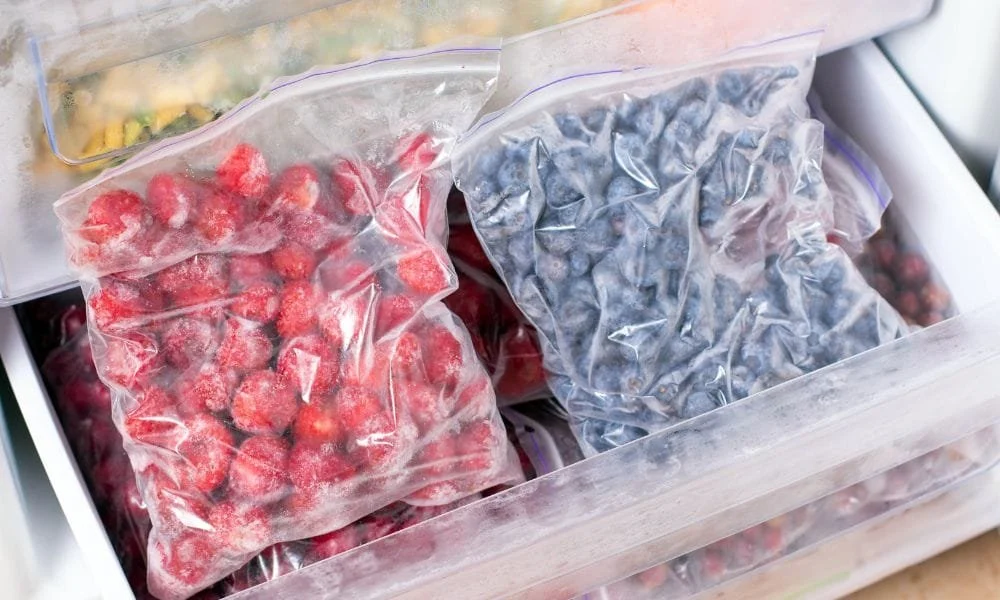
A neat and tidy freezer is not only about presentation it’s about saving money, time, and food. Whether you’re a meal prep aficionado or a Saturday grocery soldier, a freezer storage guide can totally revolutionize the way you store, locate, and keep your food. In 2025, with increasing food prices and expanding household needs, freezer storage optimization isn’t a choice it’s necessary. This manual will guide you through useful, realistic techniques to transform your freezer into a more efficient, energy saving, and worry free appliance. Why Organization in the Freezer Is Important Consider your freezer to be a vault. In it, your frozen foods have an expiration date, and disorganization can result in lost contents, wasted food, and excessive purchasing. This Freezer Storage Guide manual assists: Extend shelf life Prevent freezer burn Improve energy efficiency Cut grocery expenses Save prep and cooking time Step 1: Know Your Freezer Type Before organizing, understand your freezer’s layout: 1. Upright Freezers Resemble refrigerators Easy access with shelves and bins Great for categorized storage 2. Chest Freezers More capacity Ideal for long-term storage Needs more effort for access and organization 3. Drawer Freezers (Bottom-freezer refrigerators) Limited space Best for small households or daily use Needs frequent clean-outs Choose strategies based on your freezer type for best results. Step 2: Declutter First Clear out your freezer and sort through what’s in there. Discard anything with: Expired dates Evidence of freezer burn Ice crystals or smell changes Opened packages with illegible labels After clearing, quickly wipe down your freezer using a baking soda and warm water solution. Step 3: Smart Storage Basics Following are freezer organizing rules that never fail: Label Everything Label using freezer-safe labels or a marker and add name + date. Use Clear Bins Clear bins allow you to easily see what you have. Organize by Food Group Individual bins for meats, vegetables, ready-to-eat meals, fruits, desserts, etc. Freeze Flat Utilize zip-top bags and freeze food flat to conserve space. Step 4: Portion and Prep Like a Pro Storing food in useful portions saves time and prevents waste. Freeze soup or sauce in 1 2 cup increments Slice meat or fruit prior to freezing Separate snacks or school lunches into grab-n-go bags Use this freezer storage tip to make preparation and cooking a lot easier later. Step 5: FIFO First In First Out Stack newer items behind the older ones. It’s the food rotation golden rule and avoids wastage. Store older meals and leftovers in the front Always check before purchasing new frozen food Step 6: Use Vertical Space Stack containers or use magazine holders to hold bags upright. Utilize shelf risers for additional levels Purchase freezer safe stackable containers Use wire baskets to corral smaller items This guide to storing in your freezer leaves no space unused. Step 7: Understand What NOT to Freeze Not all things belong in the freezer. Don’t freeze: Shell eggs High moisture vegetables like lettuce Fried foods (they become soggy) Mayonnaise or creamy sauces Always check if it is suitable for freezing before stocking up. Step 8: Take an Inventory List Stick a checklist to your freezer or use a computer app. Note: What’s inside Date frozen Quantity left Update every week to prevent surprises and cut overbuying. Step 9: Organizing Freezer Zones Split your freezer into ‘zones’: Zone Use Top Shelf Ready-to-eat foods such as frozen dinners Middle Shelf Proteins: chicken, fish, beef Bottom Shelf Heavier foods: veggies, bulk bags Door Ice packs, butter, frozen herbs Step 10: Seasonal Change Seasonally update your freezer. Summer: additional frozen fruits, smoothies, BBQ meat Winter: soups, casseroles, stews Holiday: prepared meals, desserts, special treats Adjusting your freezer storage guide by season keeps it current and practical. Bonus: Freezer Hacks 2025 Use silicone muffin trays to freeze individual servings Vacuum seal items to double shelf life Freeze water bottles to occupy unused space (helps control temp) Label cooking instructions straight on containers For detailed storage timelines and safety, check out this official freezer storage guide from FoodSafety.gov. If your freezer itself is struggling to keep a steady temperature, it may be worth a check from our appliance repair services team. Sustainability Tip: Ditch Plastic Waste Utilize sustainable storage such as: Silicone bags Glass containers Compostable wax wraps This new freezer storage guide promotes a greener kitchen as well. Final Thoughts Freezer Storage Guide A smart, effective freezer doesn’t just come by chance it’s a product of regular habits, proper tools, and a pinch of planning. This Freezer Storage Guide reduces waste, saves bills, and simplifies life in the kitchen. So go ahead and open that freezer door with assurance. Explore expert appliance placement tips to ensure your freezer performs efficiently and stays organized, and learn more about our appliance repair experts if you ever need a hand. FAQs Freezer Storage Guide Q1. How long can meat be stored in the freezer? Up to 6 12 months, depending on cut and packaging procedure. Q2. What’s the ideal container for freezer storage? Use airtight, freezer safe containers or silicone bags to avoid freezer burn. Q3. Is it safe to refreeze thawed food? Only if it was thawed in the refrigerator and hasn’t been out all day. Q4. How frequently should I clean my freezer? At least every 3 months or when you switch out food seasonally. Q5. Does stocking the freezer really save money? Yes, structured freezers minimize wastage of food and prevent unnecessary repeat buys
Freezer Burn Prevention: Expert Smart Tips & Fixes for 2025
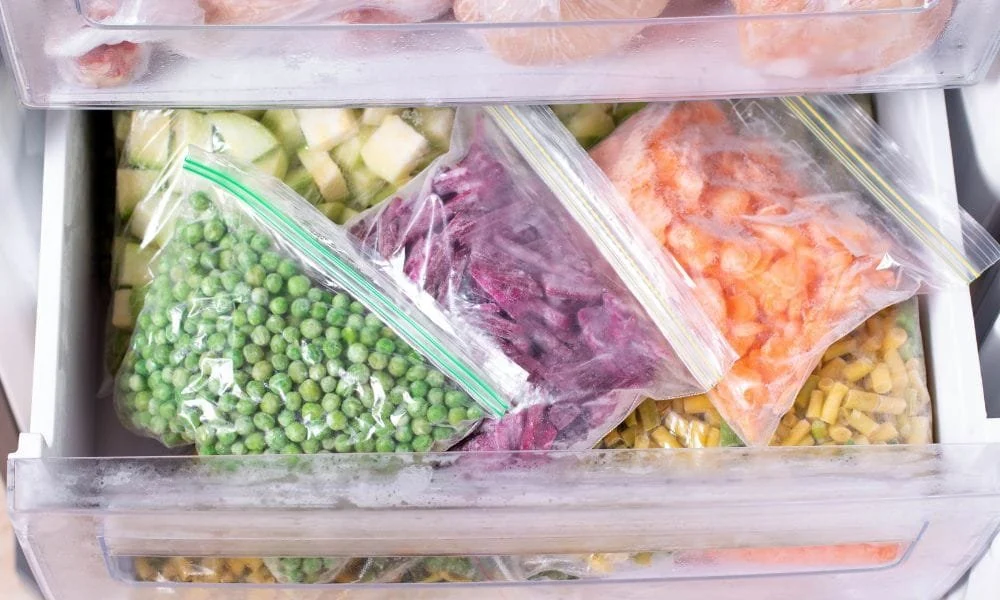
Freezer Burn Prevention: What You Need to Know in 2025 In 2025, the demand for energy efficiency and food preservation is higher than ever. While freezers are essential for storing perishable goods, one persistent problem still haunts homeowners and chefs alike—freezer burn. Whether you’re freezing leftovers or stocking up for winter, understanding freezer burn prevention is crucial to protect your food’s quality, taste, and nutritional value. This detailed handbook discusses all you should know regarding freezer burn: what it is, why it happens, how to avoid it, and what to do if your food is already victim to freezer burn. By taking a little awareness and applying a few clever tricks, you can get your freezer on your side, rather than against it. What Is Freezer Burn? Freezer burn happens when frozen foods lose water content and become dry. It’s usually a result of exposure to air within the freezer. This results in dry, grayish-brown spots on meat or pale, shriveled patches on vegetables and fruits. Freezer-burned foods aren’t unhealthy to consume, but they might be lacking flavor, have an unusual texture, or even have an unpleasant odor. Hence, prevention of freezer burn is the best way to ensure your meals remain flavorful and nutrient-rich. The Main Causes of Freezer Burn Knowledge of the causes of freezer burn is the key to prevention. The main culprits are as follows: Air Exposure: When air touches frozen food, it results in moisture loss and oxidation. Poor Packaging: Flimsy or torn wrapping lets air seep in. Temperature Shifts: Too frequent opening of the freezer or a faulty door seal can alter temperatures and lead to burn. Long-Term Storage: The longer food remains frozen, the more vulnerable it is to burn and dehydration. How to Identify Freezer Burn Even if you’re not sure if your food is freezer burned, these are red flags: Ice crystals in packaging Discoloration (white, gray, or brown spots) Dry, hard textures Off odor when defrosting Smart Freezer Burn Prevention Tips in 2025 Prevention is better than cure. These real-world, cutting-edge tips will assist you in maintaining your food’s quality: 1. Utilize Vacuum Sealers A vacuum sealer sucks all the air out of the packaging, making it the most efficient tool for freezer burn prevention. Invest in a smart vacuum sealer capable of adjusting sealing pressure automatically according to the type of food. 2. Wrap Food Securely Employ freezer-safe plastic wrap, foil, or dedicated freezer bags. Double wrap delicate items such as meat or fish for additional protection. 3. Label and Date Everything Knowing when you froze something makes it easier to plan what to eat first. Label with erasable freezer labels to make it simpler to organize. 4. Store in Freezer-Safe Containers Hard containers with snug-fitting lids exclude air. Opt for BPA-free, stackable containers to conserve storage and minimize airflow. 5. Freeze in Portion Sizes Portion sizes freeze more quickly and thaw uniformly. This lowers the likelihood of partial thawing, which introduces moisture and causes freezer burn. 6. Don’t Overload the Freezer A more efficient full freezer, but more likely to block air circulation if overloaded. Balance is essential. 7. Limit Freezer Access Keep opening the door allows warm air in and interrupts the temperature. Educate family members to restrict unnecessary openings. 8. Check Your Freezer Temperature Keep it at or below 0°F (-18°C). Use a digital thermometer to ensure accurate readings. Intelligent freezers of 2025 can have integrated temperature monitoring and notification. If your freezer can’t maintain temperature even with these steps, our appliance repair services can diagnose the underlying issue. The Best Freezer Practices for Various Types of Food Various foods have various freezer storage techniques. Here’s how to store some popular foods: Meats & Poultry Vacuum-seal or wrap in freezer paper, then aluminium foil. Do not store for longer than 6–12 months. Fruits & Vegetables Blanch first to help preserve color and texture. Store in air-tight containers or freezer bags. Baked Goods Freeze on a tray first, then move to containers to prevent clumping. Use wax paper between items. Dairy Products Freeze in small portions. Shake or stir upon thawing to replenish texture. How to Correct Freezer-Burned Food If you find freezer burn in spite of your best attempt, do not discard it at once. A few remedies can revive your food: Trim the Burnt Regions For meat and vegetables, trim the dehydrated or discolored areas prior to cooking. Marinate Meats Strong marinade can revive the flavor and moisture. Use in Soups or Stews Add freezer-burned foods to mixed dishes where texture matters less. Smart Products Which Freezer Burn Prevention in 2025 Today’s tech can make prevention of freezer burn simpler and more effective: Smart Freezers: Provide temperature change alerts in real-time. AI-Based Inventory Apps: Monitor contents in your freezer and notify you of expiry dates. Auto-Sealing Containers: Automatically expel excess air after usage. These technologies are not just handy they prevent food wastage and save you money. According to experts at FoodSafety.gov, proper storage practices are essential for long-term freezer burn prevention. Environmental & Economic Benefits of Freezer Burn Prevention Preventing freezer burn doesn’t only benefit your meals. It also helps: Cut down on food waste: Less rotten food equals fewer contributions to the landfill. Save dollars: Throwing away less food equals fewer trips to the grocery store. Save energy bills: A well-organized, efficient freezer consumes less power. Real-Life Example: Before & After Freezer Management Her freezer was chaotic, and foods were not labeled. After: She started using proper labeling, vacuum sealers, and restacking the freezer by category. Now, she hardly ever throws away food, and everything tastes delicious—even after several months of storage. Conclusion about Freezer Burn Prevention In 2025, it’s not hard to keep your frozen food fresh—you just need to plan ahead and use some clever storage. With the right methods and equipment, you can bid adieu to dry, flavorless meals and hello to great-tasting frozen dishes all year round. Explore expert strategies for freezer health in our detailed guide on
Top 10 Genius Freezer Organization tips to Maximize Space
Top 10 Genius Freezer Organization tips to Maximize Space & Save Food Does your freezer look like a disorganized mess of abandoned leftovers, frozen-meat-burned hulk, and unidentified containers? You are not alone. Homeowners often find it difficult to keep an organized freezer, which usually translates into wasted food, lost space, and undue frustration. The good news? with Freezer Organization tips on organizing your freezer, you can easily give your freezer a complete makeover to a neat, efficient, and convenient space. Here are 10 effective and functional Freezer Organization tips that will save you time, space, and money. Whether you have a compact top-freezer or a huge chest freezer, these tips will ensure your food remains fresh and your freezer organized. 1. Use Clear Bins for Easy Visibility One of the easiest but most efficient Freezer Organization tips is to employ clear bins. They help you cluster things together by type—such as veggies, meat, or frozen snacks—and still be able to see everything at a glance. Tip: Each bin should be labeled with categories such as “Breakfast”, “Meat”, “Leftovers”, or “Veggies” so that you don’t have to sort through the heaps of frozen items every time you need something. 2. Label Everything with Dates It’s hard to remember when you froze that pot of chili or made those chicken thighs. Both labeling contents and freezing date prevents food spoilage and food waste. Tip: Freeze with freezer-safe labels and a permanent pen. Label the item name and the date it was frozen so that you always know which ones to use first. 3. First In, First Out (FIFO) Method This tried-and-tested stock-control method is a freezer-saver. Always store newly frozen food at the back and bring older food to the front. Tip: Keep separate bins or shelves for items that must be consumed immediately and others that can wait. This avoids lost food from becoming ice-coated relics. 4. Flat Freezing for Efficiency Instead of freezing soups, sauces, or cooked meals in large cumbersome containers, freeze them in zip-top bags and store them flat. Once frozen, they can be stacked vertically like books. Tip: This saves space and lets you stack or file your frozen foods in an upright bin or box. It also reduces thawing time! 5. Hang Bags with Binder Clips A great hack particularly for chest freezers: hang zip-top bags with binder clips on wire freezer shelves. This frees up space underneath while allowing bags to be accessed. Tip: Utilize heavy-duty clips and label the tabs of the bags so they can be easily identified. 6. Create an Inventory List You won’t forget what’s in your freezer—and you don’t have to. A freezer inventory list on the door of your freezer or shared app with family keeps everyone on the same page. Tip: Write down what’s inside, quantity, and expiration or freeze date. Cross off items that are used up and update when adding new ones. 7. Portion Before Freezing Freezing large batches may be effective, but thawing is not. Portioning your ingredients and meals beforehand allows you to simply grab what you want. Tip: Separate meats, veggies, or leftovers into single servings before freezing. It saves on food wastage and ease of meal preparation. 8. Vacuum Seal for Longevity Vacuum sealing evacuates air from the packaging, preventing freezer burn and keeping your food fresh for a longer time. Tip: Invest in a good vacuum sealer or use reusable vacuum bags. This method works especially well for bulk meats and seasonal fruits. 9. Group Items by Use or Meal Type Instead of storing all meats together, try grouping your freezer by meal type—like “Breakfast Prep”, “Dinner Starters”, or “Kids’ Lunches”. Tip: This not only makes it easier to find items but also speeds up meal planning and grocery shopping. 10. Turn and Clean Out Monthly Even the most efficient freezer organization systems require a check-up. Spend 10–15 minutes once a month to reorganize and reassess. Pro tip: Throw out expired stuff, reorganize to your liking, and update your inventory list. Checking in once a month keeps your freezer running smoothly and safely. If it’s not cooling properly no matter how well organized it is, our appliance repair services can help. Get trusted food storage recommendations and freezer organization tips. FAQs: Freezer Organization tips Q1: How regularly should I clean out my freezer? Ideally, every 3 to 6 months. Check it quickly monthly to take out expired contents and reorganize. Q2: Is it possible to freeze food in glass containers? Yes, but make sure the container is freezer-safe and leave some head space—liquids expand when frozen. Q3: How can I avoid freezer burn?Use an airtight package, vacuum seal if you can, and don’t over-freeze foods that are already stale. Q4: How best do you organize a chest freezer? Use stackable bins, label all contents, and keep an inventory list. Experiment with hanging bags using binder clips for more space. Q5: Defrost my freezer? Yes, in case you see ice accumulation. Defrosting by hand preserves freezer efficiency and capacity. Conclusion: Freezer Organization tips Freezer clutter doesn’t need to be your usual. With some organization and these clever Freezer Organization tips, you can convert your freezer into an efficient storage system. From making use of clear containers to vacuum sealing, every hack is meant to make your life easier, save money, and cut down on waste. Explore our expert advice on freezer organization tips for every season to keep your freezer running efficiently year-round. Take the time to implement these Freezer Organization tips you’ll find that mealtime gets easier, groceries stretch farther, and your freezer stays fresher. Don’t wait for another frozen-food avalanche; start organizing today and enjoy the benefits of a tidy, efficient freezer.