 10+ Years Experiences
 Same-Day Service Available
Dryer Noise Issues: instantly Solve Common Sounds Fast 2025
Dryer Noise Issues: Complete Guide to Quieting Your Appliance in 2025 Homeowners in 2025 expect their appliances to operate quietly and efficiently. Once your dryer begins to make strange noises, it becomes an annoyance and can be a sign of more serious mechanical issues. Whether it’s banging, screeching, or thudding, it’s more than just a nuisance it’s a warning sign. This guide dissects what makes these noises, how to repair them, and how to keep your dryer whisper-quiet in the long term. 1. Causing Noise in Dryer No dryer can be completely silent, but when one suddenly starts to make unusual sounds or loud noises, it really is a red flag. Most dryer noise issues arise from worn-out parts, an unbalanced load, or often, skipped maintenance. These noises can lead to energy waste, poor drying performance, and costly repairs if ignored. 2. Types of Dryer Noises & What They Mean Each sound tells a story: Thumping: Typically due to an uneven or heavy load, or old drum rollers. Squealing or Screeching: Often associated with a faulty belt or motor bearings. Grinding: May be a sign of metal-on-metal friction caused by old glides or bearings. Banging or Rattling: Loose coins, zippers, or internal components. Buzzing or Humming: May be a sign of electrical problems such as a bad start switch. Knowing the sound type is the key to fixing your dryer noise problem. 3. Most Common Dryer Noise Issues These are the most common offenders: Worn Drum Support Rollers They bear the drum as it rotates. Worn, they produce a loud, rumbling noise. Faulty Drive Belt A cracked or worn belt squeaks or pounds. Loose Idler Pulley It keeps tension in the belt. A defective pulley squeals or grinds. Blower Wheel Obstructions Foreign materials or lint can rattle within the wheel. Loose Drum Baffles These assist in throwing clothes within the drum. When loose, they make banging noises. 4. Step by Step Troubleshooting Dryer Noise Issues If you are willing to take a bit of DIY, here’s how to identify the problem: Unplug your dryer. Safety first! Manually turn the drum round. Check for scraping or grinding. Check for foreign bodies. Check within and below the drum. Check the belt. Check for cracks or looseness. Check the rollers and pulleys. Do they turn freely? If you don’t know, it’s best to call a pro than take the chance of causing additional damage. 5. DIY Repairs vs. Professional Assistance You can tighten baffles, replace belts, or clear debris yourself. But when repairing motors or replacing electrical parts, call in the experts. Keep in mind: addressing Dryer Noise Issues early will save you hundreds on future repairs. 6. How to Avoid Dryer Noise Issues Here are some easy tips: Don’t over load the dryer. Clean the lint filter after each load. Check the drum every month for loose components. Have a professional checkup annually. Don’t brush off odd noises repair them quickly. Preventive maintenance is your best protection against repeated Dryer Noise Issues. 7. Smart Dryers & Noise Reduction in 2025 Smart dryers in 2025 include features to prevent typical noises: Noise sensors: Notify you of unusual noises through your phone. Self-diagnosis tools: Identify worn components before they fail. Smart insulation: Maintains operation quiet and smooth. It can appear expensive to upgrade to a smart dryer, but it saves time, stress, and repairs in the long term. 8. Real Story: Dryer Noise Repair Solutions in Victoria A Victoria homeowner recently faced loud banging from their dryer. Turns out, it was a worn roller and cracked belt. With a same day service, the issue was fixed affordably. Since then, they’ve had no dryer noise issues and follow a monthly check up routine.For more professional appliance placement tips, visit Whirlpool’s official guide on kitchen appliance layout to plan your space smartly. 9. When to Replace Your Dryer Sometimes, fixing your dryer isn’t worth it. Consider replacing it if: It’s over 10–12 years old. Repairs are frequent and expensive. Noise remains even after maintenance. New dryers provide improved efficiency and quietness. 10. Final Thoughts Dryer noise problems aren’t just frustrating they’re warning signs. Whether it’s a squeak, rumble, or thud, invest the time to investigate and repair it. Being proactive extends the life of your dryer and keeps laundry day free of stress.Discover expert-approved appliance placement tips to boost safety and efficiency in your home setup. If you notice something unusual, don’t ignore it face Dryer Noise Issues head-on with smart repair or professional assistance. Q1: What are the most frequent Dryer Noise Issues homeowners deal with in 2025? A1: The most frequent dryer noise problems in 2025 are squealing due to a worn belt, thumping from an unbalanced load, and grinding because of worn out drum rollers or bearings. Most of these issues can be avoided through regular maintenance before they become more serious. Q2: Is it okay to continue using my dryer if it is making unusual noises? A2: No, not recommended. Dryer Noise Issues should not be ignored as this may result in further damage or even fire. Unusual noises usually indicate failing parts which should be inspected or repaired. Q3: Should I repair dryer noise problems myself? A3: Yes, certain minor Dryer Noise Issues such as clearing stuck coins or tightening loose drum baffles can be repaired yourself. But for internal components such as the motor or bearings, it is better to hire a professional repairman. Q4: How do I know if my dryer noise problem is serious? A4: If the sound is persistent, loud, and has an accompanying burning odor or poor drying quality, it’s probably a severe dryer noise problem. Inspect the dryer right away to avoid further damage. Q5: How often should I maintain my dryer to prevent noise issues? A5: To prevent dryer noise problems, have professional servicing done at least yearly. Between service intervals, keep the lint filter clean, do not overload, and listen for odd noises after every load.
10 Hidden Appliance Problems You Shouldn’t Ignore
10 Hidden Appliance Problems That Are Costing You More Than You Think Your appliances are the silent contributors of your home. Every day and every night, they manage your most important household functions—cooking, cleaning, cooling, and heating. But while they quietly work for you, unseen appliance issues can creep up behind the scenes. These Hidden Appliance Problems not only decrease efficiency but also drive up your energy bills and cause costly repairs or replacements.Learn how to prevent costly breakdowns by exploring this expert-backed guide on identifying and fixing hidden appliance problems before they escalate. On this blog, we expose the sneaky Hidden Appliance Problems most homeowners ignore, tell you why they’re important, and provide you with actionable tips to prevent them from becoming bigger headaches. 1. Clogged Refrigerator Coils Refrigerator condenser coils, typically in the back or below, are tasked with shedding heat. If they’re clogged with dust or pet fur, they won’t cool properly. Why It’s a Hidden Problem: Coils are inaccessible and infrequently cleaned. Dirty coils make your fridge work harder. Increased electricity consumption and shorter lifespan. Repair Tip: Vacuum your refrigerator coils every six months to ensure maximum performance. 2. Lint Buildup in Dryer Vent The lint trap needs more than just a quick cleaning. Lint can also build up within the dryer vent duct, impeding airflow and posing fire hazards. Secret Consequences: Clothes dry more slowly, driving up energy costs. Overheating causes dryer damage. A serious fire risk if not addressed. Safety Alert: Have professional dryer vent cleaning done annually. 3. Leaking Washing Machine Hoses Rubber hoses at the back of your washer can weaken and develop tiny cracks or blisters, bursting eventually. Why You Don’t Notice It: The hoses are at the back of the machine. Leaks can be slow and go undetected until damage is done. Prevention Tip: Every five years, replace rubber hoses with braided stainless steel hoses. 4. Quiet Dishwasher Clogs Food particles, grease, or soap residue can accumulate in your dishwasher’s spray arms, filter, or drain, decreasing cleaning effectiveness. Stealthy Signs: Dishes are cloudy or left with a residue. The dishwasher is noiseier than normal. Repair Tip: Clean the dishwasher deeply once a month and empty the filter after every cycle. 5. Faulty Refrigerator Door Gaskets Broken-down door seals (gaskets) do not appear to do much harm but allow cool air to leave and warm air to infiltrate. Impact You Might Not Know: Runs longer and consumes more power. Perishable foods spoil more quickly because cooling is not consistent. Tip: Shut the door on a piece of paper—if it slides out with little effort, the gasket should be replaced. 6. Loose Oven Door Seals Similar to the refrigerator door seal, an oven with a broken door seal loses heat, causing the oven to work harder to achieve temperature. Concealed Ramifications: Food cooks with hot spots. Oven takes longer to heat up and consumes more energy. Fix Tip: Replace old gaskets and inspect door alignment on occasion. 7. Rust Hiding in Water Heaters Sediment accumulates in the bottom of your water heater tank over time, producing rust, noise, and inefficiency. Why It’s Ignored: Sediment takes a long time to form and is not easily seen from the outside. Most people don’t react until there is no more hot water. Maintenance Tip: Flush your water heater annually to avoid sediment damage. 8. Malfunctioning Thermostats in HVAC Systems Thermostats become desensitized or fail to respond properly, resulting in fluctuating temperatures and excessive use of heating/cooling. The Hidden Impact: You might suspect your AC or furnace. Additional stress on HVAC parts and increased energy costs. Verify Tip: Monitor thermostat response and accuracy regularly, and upgrade old models with smart thermostats. 9. Undetectable Leaks in Ice Makers or Water Dispensurers Small water lines connected to refrigerators for ice and water can leak slowly behind walls or under floors. Why It’s Dangerous: Water damage may go unnoticed until floors warp or mold develops. Can lead to costly home repairs. Inspection Tip: Periodically check behind the fridge and under the sink for signs of moisture. 10. Ignored Error Codes Many modern appliances display error codes that are often ignored or misunderstood. Hidden Impact: Overlooking these codes can lead to premature failure of critical parts. Warranties can be rendered invalid if problems are not detected. Action Step: Search for error codes in the user manual or on the internet, and act early. Need expert guidance straight for 10 Hidden Appliance Prolems? Check out the official Appliance Maintenance Guide for trusted advice on keeping your appliances running efficiently and safely. FAQs Regarding Concealed Appliance Issues Q1: Why are concealed Hidden Appliance Problems important? They can cost you money, decrease efficiency, create safety risks, and reduce the lifespan of your appliances. Q2: How frequently should I check for them? Do a routine check monthly and heavy maintenance every 6–12 months. Q3: Can I repair Hidden Appliance Problems myself? Yes, most can be fixed with self-care, but electrical, gas, or serious plumbing issues should always be handled by a professional. Q4: What appliance is most likely to have hidden issues? Dryers, refrigerators, and dishwashers tend to have Hidden Appliance Problems because of their design and usage patterns. Conclusion: Stay Ahead of Hidden Appliance Problems You’re not a technician to maintain your appliances in prime condition. By becoming aware of Hidden Appliance Problems, you can reduce energy bills, avoid surprise breakdowns, and prolong the life of your equipment. Act today: check your appliances, maintain them regularly, and call your go-to professional when something is amiss. Addressing small Hidden Appliance Problems now will spare you larger, more expensive ones later.Discover more warning signs by reading our guide on 7 Critical Home Appliance Repair Signs You Must Know.
7 Critical Home Appliance Repair Signs You Must Know
7 Warning Signs Your Home Appliance Needs Urgent Repair Appliances at home form the pillar of contemporary convenience. From washing machines and refrigerators to dishwashers and ovens, all these appliances simplify our lives day by day. However, as with any machine, appliances do breakdown in the long run. Having an inkling about the telltale signs can spare you costly repairs or even full replacements. In this article, we will discuss the top 7 Critical Home Appliance Repair Signs You Must Know need to look out for. If your appliance exhibits any of these symptoms, it may be time to hire a professional technician. 1. Unusual Noises Unusual or loud noises are usually the first sign that something is amiss. Grinding, squealing, banging, or buzzing noises can signal: Ignoring these noises may exacerbate the problem. A noisy dryer, for instance, might be a worn-out drum roller, which can result in full motor failure if not diagnosed. These strange sounds are among the most common home appliance repair signs that homeowners overlook. Pro Tip: Always report strange noises, particularly from older appliances, as they are often early home appliance repair signs that need professional attention. 2. Bad Smells Strange or unpleasant odors from a machine are another frequent sign of a problem. These odors might mean: Mold growth in washing machines Gas leaks in stoves or ovens Wiring burns or electrical problems in microwaves Not only are these problems irritating—they can also be hazardous. Safety First: If you ever notice a burning odor or gas leak, shut the appliance off and call a repair technician right away. 3. Inconsistent Performance Are your clothes still damp after a completed dryer cycle? Is your oven taking longer to preheat than it used to? These are signs your appliance is not performing up to par, which could be due to: Worn heating elements Clogged vents or filters Faulty thermostats Nonfunctioning appliances waste time as well as energy, increasing utility bills. Tip to save: Catch poor performance early and prevent astronomical energy bills. 4. Leaks and Water Pooling Water where it doesn’t belong is never a good idea. Leaks can happen in appliances such as: Dishwashers Washing machines Refrigerators (particularly those with built-in ice makers) Causes can be: Faulty door seals Cracked hoses Clogged drains If left unchecked, water damage can cause mold, structural problems, and appliance malfunction. Maintenance Tip: Check hoses, seals, and drip pans frequently to avoid leaks. 5. Electrical Problems If your appliance randomly shuts off, trips the circuit breaker, or doesn’t power on at all, it could be due to: These are serious home appliance repair signs that should never be ignored, as they may pose major fire risks. When your appliance behaves unpredictably or frequently loses power, consider it a red flag among the most urgent home appliance repair signs. Warning: DIY electrical repairs can be dangerous. Always consult a certified technician. 6. Overheating or Excess Heat If your appliance is running hotter than usual, it may be a sign of trouble. Issues to watch for: Clogged vents on dryers or microwaves Broken thermostats on ovens Faulty fans on refrigerators Excess heat is not only a problem for the fridge—it can also cause fires. Quick Fix: Clean filters and vents frequently, and have them inspected if the issue continues. 7. Increased Energy Bills An unexpected increase in your energy bill may indicate one of your Home Appliance Repair Signs is laboring more than it needs to. For example: Blasters with seal damage operate continuously to keep the temperature consistent Clothes dryers with clogged vents consume more energy to dry clothes Water heaters with sediment functioning inefficiently Cost-Saving Tip: Track your energy consumption on a monthly basis. A wasteful appliance can cost you hundreds every year in utility costs. Bonus: When to Hire a Pro When you observe any of the above Home Appliance Repair Signs, it is time to seek the help of an appliance repair technician. Waiting could lead to: Complete appliance failure Increased later repair expenses Hazards to your family and home Look for a trustworthy home appliance repair company in your area and request a diagnostic visit. Local professionals can usually make repairs within the same day, which will save you time and stress.For more safety tips and appliance maintenance guidelines, visit the appliance repair victoria. How to Prevent Appliance Issues in the Future Maintenance is key. Obey the following guidelines to Appliance Repair Signs prolong the life of your appliances: Clean vents and filters on a regular basis Avoid overloading dryers or washers Defrost the freezer every now and then Use appliances as indicated by the manufacturer Schedule annual checkups with professionals Proactive care can prevent most issues before they even start. FAQs About Home Appliance Repair Signs Q1: Is it safe to use an appliance making strange noises? No. Continued use may worsen the issue or cause further damage. Turn it off and consult a technician. Q2: What’s the average cost of home Appliance Repair Signs ? Prices depend on the appliance and problem. Q3: How do I know if it’s better to replace or repair my appliance? If fixing it will cost more than 50% of the appliance’s worth or it is more than 10 years old, replacement might be more economical. Q4: Can I repair appliances myself? Only if you are properly trained. Most repairs involve specialized tools and expertise. Conclusion: Stay Ahead of Appliance Problems Appliances simplify life—but only when functioning correctly. By being aware of the best home appliance repair signs, you can act fast, prevent serious breakdowns, and spare cash. These early alerts often go unnoticed but recognizing them can save you from expensive replacements and unnecessary stress. Keep in mind, if you hear unusual noises, detect an unusual odor, or experience poor performance—these are all critical home appliance repair signs. Don’t hesitate. Contact a reliable appliance repair expert and keep your home running smoothly. For professional assistance, look for trusted home appliance repair services in your area and have
Washer Dryer Repair Near Me | Expert Help for Fast Fixes
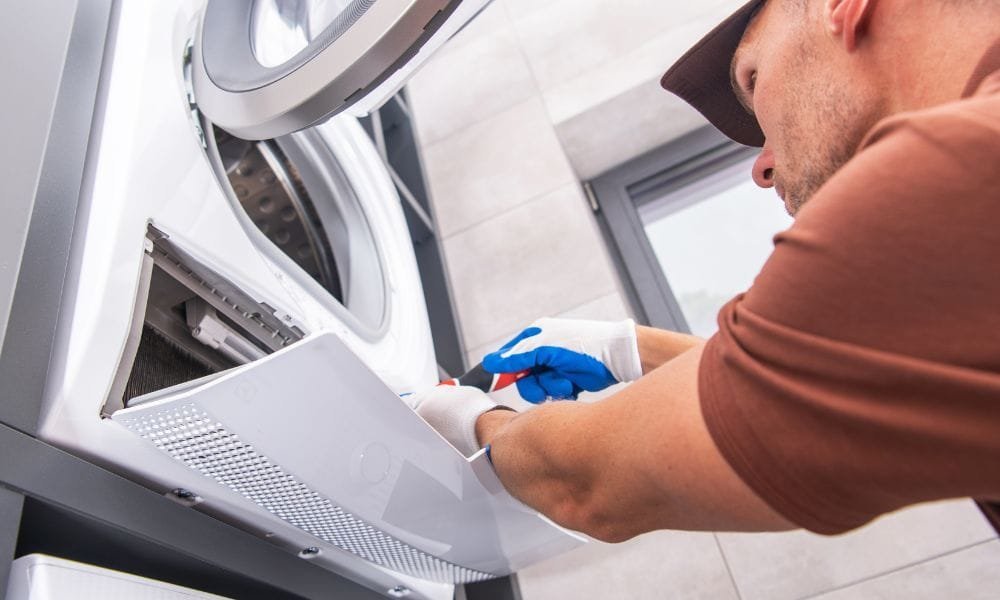
1.Why Professional Washer Dryer Repair Near Me is Important Washer and dryer combos are a staple for today’s homes. They make your laundry process easy, efficient, and hassle-free. However, when one of them is malfunctioning, it creates a disruption in your day and adds to the frustration. That’s why looking for washer dryer repair near me at the first sign of malfunction becomes important. If left undetuned, repairs can progress into more serious issues. A slow spin cycle or loud drum may become a motor failure or electrical problem. Regular repairs not only add years to your appliance’s life but also save you money by preventing complete replacements. Hiring a local, qualified repair professional assures quicker response, correct diagnosis, and reliable fixes. With expert assistance, you can have your washer and dryer running smoothly again—without inconvenience or delay. 2.Top Signs You Need Washer Dryer Repair Not sure if your laundry units require repair? Look for these telltale warning signs: If your washer is leaking, the problem can be a broken hose, seal, or water inlet valve. Noisy banging, squealing, or grinding noises from the washer or dryer can be an indication of drum problems or worn bearings. A running dryer that fails to dry clothes well could be caused by a clogged vent, faulty thermostat, or heating element failure. A non-spinning washer might be experiencing a motor problem, a faulty belt, or drum imbalance. A stinky odor from your washer could mean there’s mold accumulation in the drum or detergent drawer. New washers and dryers show error codes when there’s a problem. If you notice one, don’t brush it off—seek professional assistance. If any of these problems ring a bell, it’s time to look for washer dryer repair near me and book a professional inspection. 3.Typical Washer and Dryer Problems with Solutions Here’s a closer examination of common washer and dryer faults and how professionals solve them: Washer Not Draining This usually happens because the pump or filter is clogged. A technician can remove the blockage or replace the component if necessary. Dryer Overheating Overheating can be the result of an obstructed vent or malfunctioning thermostat. Cleaning the vent or replacing parts returns safe function. Washer Shakes Violently Worn shock absorbers or an unbalanced load might cause this. Level the machine and replace the bad parts to solve the problem. Dryer Won’t Turn On Malfunctioning door switches, blown thermostatic fuses, or damaged power cords might prevent your dryer from turning on. A repair expert can test and replace defective parts. Professional help is the way to proper diagnosis and fixing. A simple search on the internet for washer dryer repair near me puts you in touch with local professionals who will fix these issues in no time. 4.Why Hire Local Washer Dryer Repair Services The reasons for employing a local appliance repair and Washer Dryer Repair Near Me service are obvious: Quicker Appointments: Local professionals can usually arrange same-day or next-day appointments. Knowledge of Local Brands: Knowledge of the most frequently used brands and models within the region. Affordable Prices: Competitive prices with no additional charges. Authentic Reviews: Local businesses depend on word-of-mouth, so they go the extra mile to earn your trust. Emergency Repairs: Rapid response in the event of emergency breakdowns. Choosing a local service not only helps your community but also means fast, quality assistance when you need it most. 5.DIY Repairs vs. Washer Dryer Professional Repairs Attempting to repair laundry machines yourself can sound appealing—but has consequences. DIY Repairs: Can work for simple problems such as cleaning lint trap or tightening loose connections Saves money if successful Hazards:May invalidate your appliance warranty Electrical hazards or risk of injuryMay further damage the problem if done incorrectly Professional Repair:Correct diagnosisWarranty-guaranteed workUse of original parts and cutting-edge tools In case of doubt, it is always best to use an experienced local technician who can do washer dryer repair near me. 6.How to Maintain Your Washer and Dryer in Tip-Top Shape Preventive maintenance is the key to preventing breakdowns. Here’s how: Clean the lint trap after each dryer cycle Inspect water hoses for wear or leakage every now and then Don’t overload your machines Perform cleaning cycles with washing machine cleaner once a month Have annual professional check-ups A few simple practices can dramatically increase the lifespan of your appliances. 7.Washer Dryer Repair Near Me FAQs How soon can I have washer dryer repair near me? Most local services provide same-day or next-day appointment repair. Are washer dryer repairs costly? Prices differ, but local repair services usually offer reasonable prices. Can I repair my washer or dryer on my own? Minor tasks are okay, but major repairs should be handled by certified professionals. What brands can technicians repair? Most repair pros handle all major brands like Samsung, LG, Whirlpool, Maytag, and GE. 8.Conclusion: Get Expert Washer Dryer Repair Near You Washer Dryer Repair Near Me issues don’t have to be frustrating, because expert assistance is a phone call away. If it’s a washer leak, a loud dryer, or an appliance that won’t turn on, local Victorians are available to assist.Explore our expert tips on washer and dryer repair near you Looking for washer dryer repair near me puts you in touch with quick, cheap, and trustworthy service. Don’t let your laundry build up—schedule a reliable repair professional now and return to your routine as soon as possible!
Dryer Repair Victoria: 7 Expert Tips to Save Time & Money
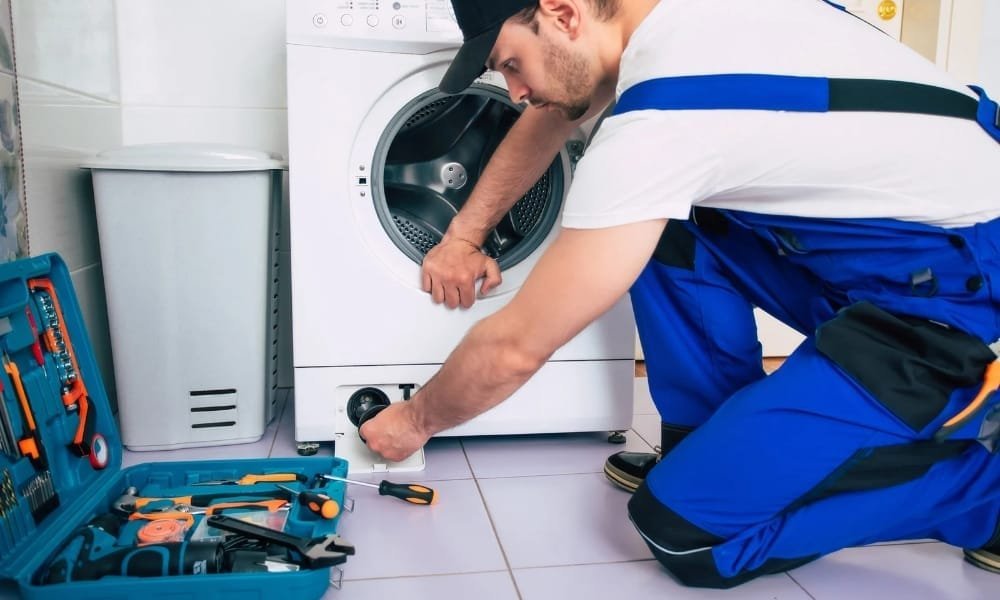
Top 7 Dryer Repair Tips for Victoria Homeowners: Fix It Before It Fails Dryer Repair Victoria are a real treat in any Victoria home—particularly the wet, cold winter months. But, like any household appliance, they won’t last forever. One day it’s whirring along just fine, and the next it’s overheating, shaking uncontrollably, or not turning on at all. Overlooking early warning signals can result in larger (and more costly) problems later on. That’s why we’ve written this definitive guide to the best 7 Dryer Repair Victoria tips for homeowners in Victoria. Whether you’re attempting to diagnose a noisy drum or repair a dryer that’s taking hours to dry, these tips will save you from stress, save you money, and prolong the life of your appliance. 1. Clean the Lint Filter After Every Load Why It Matters: Not cleaning your lint trap consistently creates lint buildup, which not only lowers your dryer’s performance but also hazards fire risk. What to Do: Take out and wash the lint screen after each use. Clean the housing area with a soft brush or vacuum cleaner once a week. Look behind the Dryer Repair Victoria for lint clumps. Victoria Tip In Victoria’s damp weather, wet lint is more prone to clump and clog—so clean frequently! 2. Check and Clean the Dryer Vent Each Year Why It’s Important: A blocked vent limits airflow, forcing your dryer to work harder. This can lead to overheating, increased drying time, and even long-term harm to the motor or heating coil. What to Do: Unhook the vent hose and clean it with a dryer vent brush or vacuum. Ensure the exterior vent flap opens fully during use. Schedule professional Dryer Repair Victoria if airflow remains weak. Pro Tip: Blocked vents are the #1 cause of dryer fires—don’t take the risk. 3. Watch for Unusual Noises or Vibrations What It Could Mean: Thumping: Worn-out drum rollers or belt Squealing: Damaged idler pulley or motor Rattling: Loose parts or screws What to Do: Tighten any visible screws. Call a technician to inspect belts and pulleys. Don’t overlook it—small sounds can be a sign of greater internal damage. Why It’s Critical: Victoria homeowners tend to overlook these sounds assuming it’s normal wear—but catching them early avoids expensive repairs. 4. Watch Drying Time Warning Sign: If your clothes are taking more than one cycle to dry, there’s a problem. Common Causes: Dirty lint filter or vent Faulty thermostat Defective heating element How to Fix It: Check for airflow obstructions. Test heat performance (clothes should be warm in 5–10 minutes). Call a local dryer repair Victoria technician if problems continue. 5. Don’t Overload the Dryer Why It’s a Problem: Too much laundry puts too much stress on the drum, belt, and motor. Overloading also restricts airflow, causing spots of uneven drying. Fix It: Dry smaller loads. Don’t dry thick things like blankets and jeans at the same time. Pro Tip for Victoria Residents: With low household humidity, overloading can result in inadequate moisture in the drum—resulting in ineffective cycles and mildew odors. 6. Inspect the Power Source & Circuit Breaker If the Dryer Won’t Start: Ensure it’s safely plugged into a receptacle. Check if circuit breaker tripped (particularly after a storm). Test the outlet with another appliance to eliminate power problems. Still Not Working? This may indicate: Blown thermal fuse Defective start switch Control board malfunction Next Step: Call a professional for safe and reliable dryer repair in Victoria, particularly if your machine is electric or gas-fueled. 7. Book Preventative Maintenance Why It’s Important: Although your Dryer Repair Victoria may appear to be in good condition, underlying issues can occur over time. Preventative maintenance keeps it running effectively and safely. What’s Covered in a Maintenance Visit: Complete internal cleaning Belt, motor & drum check Electrical components testing Moisture sensor tests How Frequently Should You Book It? Every year is best for most Dryer Repair Victoria homes. Typical Dryer Issues We Repair Dryer Repair Victoria Problem Symptoms Probable Solution No heat Clothes remain wet Replace heating coil or thermostat Drum won’t turn Dryer runs but won’t move Replace belt or motor Dryer won’t turn on No power, no noise Fix control board or start switch Overheating Clothes scorching hot, smoke smell Clean vent, replace thermostat Loud sounds Squealing, banging Replace drum rollers or pulleys Leading Dryer Brands We Fix in Victoria We repair most top dryer brands, including: Whirlpool Maytag Samsung LG Bosch GE Electrolux Kenmore If you have one of these or a different brand, our Victoria dryer repair specialists can assist with quick diagnosis and same-day fix. How Much Will Dryer Repair Cost in Victoria BC? Service Type Average Cost (CAD) Heating Element Replacement $120–$250 Vent Cleaning & Repair $80–$150 Motor Repair or Replacement $150–$300 Drum Belt Replacement $100–$200 Full Diagnostic + Tune-up $90–$140 Pricing may depend on dryer model and part availability. Why Select Quick Fix Appliance Experts for Dryer Repair in Victoria? 10+ Years of Local Experience Certified & Insured Technicians Same-Day Service Available Transparent, Affordable Pricing 5-Star Customer Reviews Expert Repairs for All Major Brands When it comes to dryer repair Victoria, we give you results you can rely on. Dryer Maintenance Checklist for Victoria Homeowners Clean lint trap after each load Deep clean vent 1–2 times/year Check power cord for damage Listen for odd noises Book professional service yearly Bonus Tip: Use moisture-sensor settings to save energy and prevent wear. FAQ – Dryer Repair Victoria BC Q1: Why is my dryer taking too long to dry clothes? A: This could be due to a clogged vent, faulty heating element, or overloaded drum. Cleaning the lint filter and checking the vent is a good first step. Q2: Is it safe to use a dryer that makes loud noises? A: No. Squealing or banging noises often signal worn-out parts that can damage the drum or motor if left unrepaired. Q3: How often should I service my Dryer Repair Victoria? A: We recommend annual maintenance to clean internal parts, test components, and