 10+ Years of Experience
 Same-Day Service Available

Freezer Burn Prevention: Expert Smart Tips & Fixes for 2025
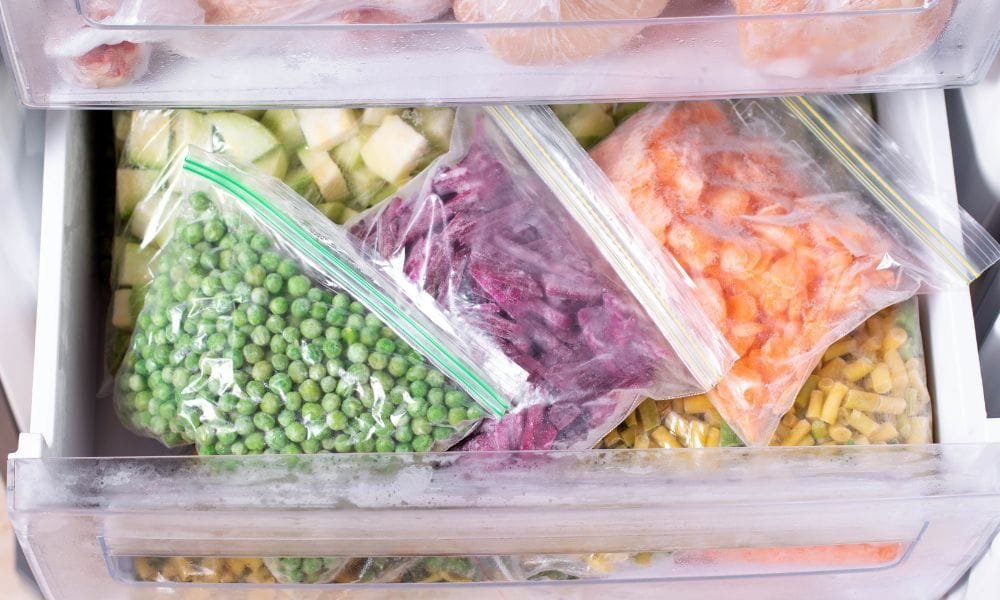
Freezer Burn Prevention: What You Need to Know in 2025 In 2025, the demand for energy efficiency and food preservation is higher than ever. While freezers are essential for storing perishable goods, one persistent problem still haunts homeowners and chefs alike—freezer burn. Whether you’re freezing leftovers or stocking up for winter, understanding freezer burn prevention is crucial to protect your food’s quality, taste, and nutritional value. This detailed handbook discusses all you should know regarding freezer burn: what it is, why it happens, how to avoid it, and what to do if your food is already victim to freezer burn. By taking a little awareness and applying a few clever tricks, you can get your freezer on your side, rather than against it. What Is Freezer Burn? Freezer burn happens when frozen foods lose water content and become dry. It’s usually a result of exposure to air within the freezer. This results in dry, grayish-brown spots on meat or pale, shriveled patches on vegetables and fruits. Freezer-burned foods aren’t unhealthy to consume, but they might be lacking flavor, have an unusual texture, or even have an unpleasant odor. Hence, prevention of freezer burn is the best way to ensure your meals remain flavorful and nutrient-rich. The Main Causes of Freezer Burn Knowledge of the causes of freezer burn is the key to prevention. The main culprits are as follows: Air Exposure: When air touches frozen food, it results in moisture loss and oxidation. Poor Packaging: Flimsy or torn wrapping lets air seep in. Temperature Shifts: Too frequent opening of the freezer or a faulty door seal can alter temperatures and lead to burn. Long-Term Storage: The longer food remains frozen, the more vulnerable it is to burn and dehydration. How to Identify Freezer Burn Even if you’re not sure if your food is freezer burned, these are red flags: Ice crystals in packaging Discoloration (white, gray, or brown spots) Dry, hard textures Off odor when defrosting Smart Freezer Burn Prevention Tips in 2025 Prevention is better than cure. These real-world, cutting-edge tips will assist you in maintaining your food’s quality: 1. Utilize Vacuum Sealers A vacuum sealer sucks all the air out of the packaging, making it the most efficient tool for freezer burn prevention. Invest in a smart vacuum sealer capable of adjusting sealing pressure automatically according to the type of food. 2. Wrap Food Securely Employ freezer-safe plastic wrap, foil, or dedicated freezer bags. Double wrap delicate items such as meat or fish for additional protection. 3. Label and Date Everything Knowing when you froze something makes it easier to plan what to eat first. Label with erasable freezer labels to make it simpler to organize. 4. Store in Freezer-Safe Containers Hard containers with snug-fitting lids exclude air. Opt for BPA-free, stackable containers to conserve storage and minimize airflow. 5. Freeze in Portion Sizes Portion sizes freeze more quickly and thaw uniformly. This lowers the likelihood of partial thawing, which introduces moisture and causes freezer burn. 6. Don’t Overload the Freezer A more efficient full freezer, but more likely to block air circulation if overloaded. Balance is essential. 7. Limit Freezer Access Keep opening the door allows warm air in and interrupts the temperature. Educate family members to restrict unnecessary openings. 8. Check Your Freezer Temperature Keep it at or below 0°F (-18°C). Use a digital thermometer to ensure accurate readings. Intelligent freezers of 2025 can have integrated temperature monitoring and notification. If your freezer can’t maintain temperature even with these steps, our appliance repair services can diagnose the underlying issue. The Best Freezer Practices for Various Types of Food Various foods have various freezer storage techniques. Here’s how to store some popular foods: Meats & Poultry Vacuum-seal or wrap in freezer paper, then aluminium foil. Do not store for longer than 6–12 months. Fruits & Vegetables Blanch first to help preserve color and texture. Store in air-tight containers or freezer bags. Baked Goods Freeze on a tray first, then move to containers to prevent clumping. Use wax paper between items. Dairy Products Freeze in small portions. Shake or stir upon thawing to replenish texture. How to Correct Freezer-Burned Food If you find freezer burn in spite of your best attempt, do not discard it at once. A few remedies can revive your food: Trim the Burnt Regions For meat and vegetables, trim the dehydrated or discolored areas prior to cooking. Marinate Meats Strong marinade can revive the flavor and moisture. Use in Soups or Stews Add freezer-burned foods to mixed dishes where texture matters less. Smart Products Which Freezer Burn Prevention in 2025 Today’s tech can make prevention of freezer burn simpler and more effective: Smart Freezers: Provide temperature change alerts in real-time. AI-Based Inventory Apps: Monitor contents in your freezer and notify you of expiry dates. Auto-Sealing Containers: Automatically expel excess air after usage. These technologies are not just handy they prevent food wastage and save you money. According to experts at FoodSafety.gov, proper storage practices are essential for long-term freezer burn prevention. Environmental & Economic Benefits of Freezer Burn Prevention Preventing freezer burn doesn’t only benefit your meals. It also helps: Cut down on food waste: Less rotten food equals fewer contributions to the landfill. Save dollars: Throwing away less food equals fewer trips to the grocery store. Save energy bills: A well-organized, efficient freezer consumes less power. Real-Life Example: Before & After Freezer Management Her freezer was chaotic, and foods were not labeled. After: She started using proper labeling, vacuum sealers, and restacking the freezer by category. Now, she hardly ever throws away food, and everything tastes delicious—even after several months of storage. Conclusion about Freezer Burn Prevention In 2025, it’s not hard to keep your frozen food fresh—you just need to plan ahead and use some clever storage. With the right methods and equipment, you can bid adieu to dry, flavorless meals and hello to great-tasting frozen dishes all year round. Explore expert strategies for freezer health in our detailed guide on